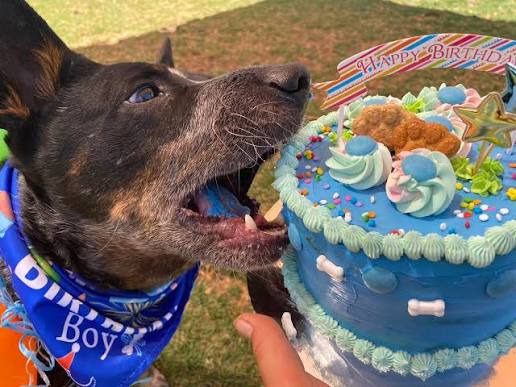
Are dog cakes safe?
They can be. Some are genuinely fine for most dogs. Others are basically just sugar and marketing, or worse, they sneak in ingredients that should never be in a dog’s bowl. So if someone is buying or baking, it helps to know what safety actually looks like, not just what looks good in a photo.
Are dog cakes safe? Usually, when they are made with simple, dog-friendly ingredients and served in sensible portions. Are dog cakes safe? Not automatically, not just because they are shaped like a bone or have paw prints on the box.
Are dog cakes safe for all dogs?
Not for all dogs, no. Even if dog cake are safe for many, there are dogs with allergies, sensitive stomachs, a history of pancreatitis, or medical diets where a “treat” can cause a rough night. And it’s not always dramatic. Sometimes it’s just diarrhoea, itching, ear flare-ups, or vomiting. Still not fun.
Dogs also vary by size. A slice of cake that seems tiny to a human can be a big hit of calories for a small dog. So when people ask, are dog cakes safe, the better follow-up is, safe for which dog, and how much?
Are dog cakes safe if they are store bought?
Sometimes. Store bought options can be convenient, and some brands do a solid job. But the label matters more than the promise on the front.
People should scan the ingredient list like they are checking food for a toddler. Shorter lists are usually easier to trust. Clear, recognisable ingredients help. Vague terms like “meat derivatives” or “animal digest” are a bit of a shrug, and the more sweeteners and colours appear, the more the question comes back again. Understanding pet food labelling standards can help buyers make more informed decisions. Are dog cakes safe?
Also, “natural” is not a safety guarantee. Neither is “grain free”, which can be a whole separate conversation.
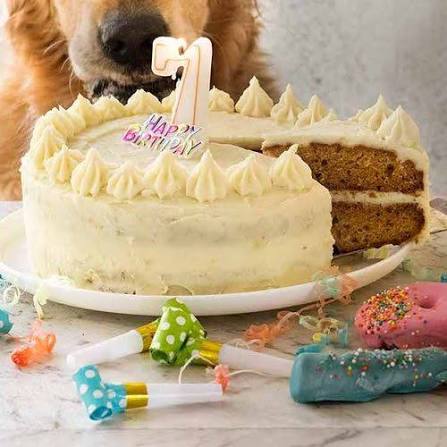
Are dog cakes safe if they are homemade?
Homemade can be safer because it is easier to control what goes in. But homemade can also go wrong if the person baking assumes dogs can eat what humans eat. They can’t. Not reliably.
A basic dog cake that uses oats, egg, banana, pumpkin, or plain yoghurt tends to be the kind of thing many dogs handle well. Still, there is no universal pass. Even common ingredients can trigger issues in some dogs.
If someone is baking for a dog they do not know well, it’s worth keeping it simple and skipping anything rich, fatty, or overly sweet.
What ingredients should they look for in dog cakes?
When people want to feel confident, they should look for ingredients that are familiar, mild, and actually meant to be eaten by dogs. The best dog cakes are usually not complicated, and that’s sort of the point.
Here are ingredients that are commonly considered dog friendly, depending on the dog’s health and tolerances:
- Pumpkin (plain, not spiced)
- Banana
- Oats or oat flour
- Wholemeal flour in small amounts
- Peanut butter with no xylitol
- Eggs
- Unsweetened apple puree
- Carrot
- Plain yoghurt in small amounts
- Lean cooked meats in moderation (if included at all)
Even with “good” ingredients, it helps if the recipe avoids loading up on fat. Rich treats can trigger stomach upset, and for some dogs, pancreatitis is a real risk. Learning about dietary fat limits in dogs can help owners make safer treat choices.
People often come back to the same question: are dog cakes safe? And it usually comes down to this: simple ingredients, small portions, and a dog who can tolerate them.
What ingredients should they avoid in dog cakes?
This is where things get serious. Some ingredients are just unhealthy. Others can be toxic.
If a cake includes any of the following, it is safer to walk away:
- Xylitol (sometimes listed as birch sugar or sweetener 967)
- Chocolate or cocoa
- Grapes, raisins, sultanas
- Macadamia nuts
- Alcohol
- Caffeine
- Nutmeg
- Onion, garlic, chives, leek (including powders)
- Excessive salt
- Artificial sweeteners and heavy sugar loads
- Very fatty dairy like cream or large amounts of butter
It is also worth being careful with frosting. A lot of dog cake “icing” is where the sugar or sweeteners sneak in. People might think the sponge part is fine, then the topping is the troublemaker.
So, are dog cakes safe when they look fancy and iced like a human dessert? Sometimes. But it is exactly the kind of product that deserves an extra slow read of the label.
Are dog cakes safe if they include peanut butter?
Peanut butter is common in dog cakes, and many dogs love it. But it has two safety checks.
First, it must not contain xylitol. That one is non-negotiable. Second, it should not be high in added sugar and salt. The “natural” type that is basically peanuts, maybe a bit of oil, tends to be a better option.
Even then, peanut butter is calorie-dense, so it should be used lightly, especially for small dogs. If a dog has had pancreatitis before, it is often best avoided.
Are dog cakes safe with peanut butter? They can be, but only if the ingredient list is clean, and the serving is small.
Are dog cakes safe as an everyday treat?
Not really. They are a celebration food. Even the best dog cakes add extra calories and can crowd out balanced meals. A dog does not need cake, and most of them would be just as thrilled with a bit of chicken, a toy, or a walk that goes slightly longer than normal.
As an occasional treat, dog cakes are safe for many dogs. As a regular habit, it is easier for weight gain to creep up, and once weight goes on, it is annoyingly hard to shift.
So if someone is asking, are dog cakes safe, the honest answer includes frequency. Once in a while, sure. Every week, probably not.
Are dog cakes safe if they have frosting or decorations?
Decorations are where “cute” can get risky.
Hard biscuits, big chewy toppers, or thick decorations can be a choking hazard, especially for dogs that inhale food. Sprinkles can add sugar and colouring. Some edible glitter products are not designed for dogs at all.
A safer approach is boring, but boring works:
A thin layer of plain yoghurt, a smear of pumpkin purée, or a little peanut butter (again, no xylitol) can be enough. Or skip icing entirely. Dogs do not care about aesthetics; humans do.
Are dog cakes safe when they are loaded with decorative extras? Sometimes, but it is the easiest way to accidentally turn a simple treat into a problem.
Are dog cakes safe if they cause tummy upset?
If a dog gets diarrhoea or vomits after cake, that is a signal, not bad luck. It might be too rich, too much, or an ingredient they do not tolerate. Next time, the portion should be smaller, or the cake should be different, or just skipped.
If symptoms are severe, ongoing, or include lethargy, shaking, or repeated vomiting, they should contact a vet quickly. Especially if there is any chance the cake contained xylitol, chocolate, raisins, or onion and garlic powders.
People keep asking, are dog cakes safe, and the body’s response is often the best feedback. If the dog reacts badly, it is not safe for them, even if it is safe for another dog. Like any custom cake, the ingredients should always be chosen with the intended recipient in mind.
Are dog cakes safe? A quick way to judge before they buy or bake
A simple checklist helps, especially when someone is standing in a pet shop aisle, staring at a “birthday cake” with a cartoon dog on it.
- Check the ingredient list for xylitol and other toxic foods
- Avoid heavy sugars, syrups, and artificial colours
- Keep it simple and low fat
- Choose plain toppings over thick frosting
- Serve a small portion, then stop
- Consider the dog’s health history and allergies
So, are dog cakes safe? Yes, they can be. But the safe ones tend to be the plain ones, the kind that look almost a bit disappointing to humans. Which is funny because dogs still act like it’s the best day of their lives.
And that is the whole goal, really. A small treat, no drama later. Are dog cakes safe when chosen carefully and fed sensibly? In most households, that’s a solid yes.