Digital Food Safety Software Versus Paper Checklists: A Comparison

Food businesses across Australia still rely on clipboards, but many are moving to apps. This guide compares digital food safety software with paper checklists so operators can choose what best protects customers, staff, and the business.

What is the real difference between digital tools and paper checklists?

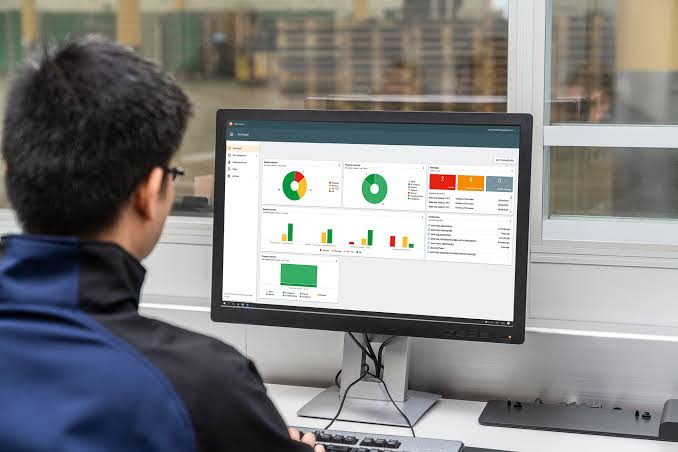
The core difference is how records are captured, stored, and verified. Digital food safety software logs checks in real time with prompts, timestamps, and easier reporting, while paper relies on manual entries and physical filing.

In practice, digital systems reduce “missed step” risk, and paper systems depend heavily on staff consistency and supervisor follow-up.

Which option is easier for staff to use day to day?

Paper can feel simpler because it needs no device, login, or training. But digital food safety software often becomes easier after onboarding because it guides staff through required steps and reduces handwriting and double handling.

In busy Australian kitchens, staff usually prefer whatever is quickest during rush periods. Digital wins when it minimises steps, works offline, and is fast on a phone or tablet.

Which option reduces human error more reliably?

Digital typically reduces common errors by forcing completion, using drop-downs, and flagging unusual readings. Digital food safety software also time-stamps entries, helping managers spot checks that were completed late or filled in retrospectively.

Paper can be accurate, but it is easier to forget a check, misread handwriting, or record the wrong unit. These small issues can add up during audits or incident investigations.

Digital Food Safety Software Versus Paper Checklists: A Comparison

How do both approaches handle temperature monitoring and corrective actions?

Digital systems can prompt at the right times and require a corrective action when a reading is out of range. With digital food safety software, the process can be: take a temperature, get an alert, record the fix, and notify a supervisor.

Paper can record the same information, but it relies on someone noticing the issue and remembering to document the response. In workplaces with casual staff turnover, digital prompts often improve consistency.

What happens during a food safety audit in Australia?

During a council or third-party audit, auditors want clear, complete, retrievable evidence. Digital food safety software can usually produce records quickly by date, site, or checklist type, which can shorten the “paper chase.”

Paper can still pass an audit, but the risk is missing pages, water damage, illegible notes, or inconsistent filing. If a business operates multiple sites in NSW, VIC, QLD, WA, SA, TAS, ACT, or the NT, paper coordination becomes harder.

Which option supports multi-site venues better?

Multi-site operators usually benefit from central visibility. Digital food safety software allows head office to see compliance across venues, compare performance, and standardise forms without printing and distributing new templates.

Paper can work at one site with stable leadership. Across several sites, paper often becomes a patchwork of different versions and filing habits, making it harder to prove consistent systems.

How do they compare on traceability and incident response?

When a complaint or suspected foodborne illness occurs, time matters. Digital food safety software can help a business quickly pull temperature logs, cleaning records, and training sign-offs for the relevant period.

With paper, finding the right binder and the right week can take longer, especially if records are stored offsite or misplaced. Faster traceability can reduce downtime and help management respond confidently.

What are the costs beyond the subscription or stationery?

Paper looks cheaper upfront, but the hidden costs can be significant: printing, clipboards, storage, management time, and rework when forms are incomplete. Digital food safety software has a subscription cost, but may reduce admin hours and audit preparation time.

For Australian businesses paying penalty rates or managing lean teams, even small time savings can be meaningful. The real cost comparison is usually labour plus risk, not paper versus app alone.

Does digital create new risks like device issues or outages?

Yes, digital introduces operational dependencies: battery life, logins, device management, and occasional outages. Good digital food safety software mitigates this with offline mode, quick sync, role-based access, and simple device policies.

Paper avoids tech failures, but it has its own vulnerabilities like damaged forms, lost folders, and unauthorised edits. The best choice depends on which risks they can control more reliably.

How do both options affect accountability and food safety culture?

Digital systems can lift accountability by making responsibility visible. Digital food safety software can show who completed a task, when it happened, and whether it was overdue, which supports coaching rather than guesswork.

Paper can still build culture, especially with hands-on supervisors. But it can also create a “tick and flick” habit if staff treat it as paperwork for the sake of it, rather than a safety system.

Which option fits best with training, onboarding, and casual workforces?

High turnover is common in hospitality, aged care catering, and seasonal venues. Digital food safety software can embed instructions, photos, and short prompts inside tasks, reducing reliance on memory and informal training.

Paper checklists can be effective if they are well designed and supervisors consistently train staff. But paper rarely explains the “why” at the moment a task is done, which can matter for new starters.

What should they consider for different Australian industries?

Different settings have different pressures, and the best system is the one they will actually use every shift. Digital food safety software tends to suit higher complexity operations where evidence, speed, and oversight matter most.

  • Cafes and restaurants: digital helps manage rush periods, temperature checks, and cleaning schedules with fewer missed tasks.
  • Aged care and healthcare catering: digital supports stricter documentation and quick reporting.
  • Childcare kitchens: digital can standardise routines and record compliance consistently.
  • Retail and supermarkets: digital can support multi-department checks and traceability.
  • Mobile food vans and events: paper can work, but digital is strong if it works offline and on phones.

Can they combine digital and paper without creating confusion?

A hybrid approach can work if roles are clear. Some businesses keep paper as a short-term backup while running digital food safety software as the primary record, especially during rollout.

The risk is duplication or mismatched “source of truth.” If they do both, they should define which record is authoritative, when paper is used, and how paper entries are later reconciled.

Digital Food Safety Software Versus Paper Checklists: A Comparison

How should they decide which approach to adopt?

They should choose based on risk, complexity, and whether managers can actively verify compliance. If they need faster audits, multi-site visibility, and clearer accountability, digital food safety software is often the stronger option.

If they operate a single site with stable staff and disciplined supervision, paper can still be compliant. A practical decision process is to trial digital at one venue for 4 to 8 weeks, compare completion rates, and review audit readiness.

What does a fair side-by-side comparison look like?

A fair comparison focuses on outcomes rather than preference. Digital food safety software should be judged on ease of use, completion rates, corrective action tracking, reporting speed, and how well it fits the workflow.

Paper should be judged on form design, filing discipline, supervisor verification, and retrieval speed. If either system cannot produce complete records quickly, it is not truly working, regardless of how familiar it feels.

Conclusion: which one is better for Australian food businesses?

For many Australian operators, digital food safety software is better because it improves consistency, visibility, and record retrieval under real-world pressure. Paper checklists can still work, but they demand strong supervision and disciplined filing every day.

The best choice is the system they can sustain across busy shifts, staff changes, and audit requirements, while keeping food safety behaviours front and centre.

What is the main difference between digital food safety software and paper checklists in Australian food businesses?

The core difference lies in how records are captured, stored, and verified. Digital food safety software logs checks in real time with prompts, timestamps, and easier reporting, reducing the risk of missed steps. In contrast, paper checklists rely on manual entries and physical filing, depending heavily on staff consistency and supervisor follow-up.

Which option is easier for staff to use daily: digital tools or paper checklists?

While paper may initially feel simpler as it requires no device or training, digital food safety software often becomes easier after onboarding because it guides staff through required steps, reduces handwriting, and minimizes double handling. In busy Australian kitchens, digital systems that work offline and are fast on phones or tablets tend to be preferred during rush periods.

How do digital food safety software and paper checklists compare in reducing human error?

Digital food safety software reduces common errors by enforcing task completion, using drop-down menus, flagging unusual readings, and timestamping entries to prevent late or retrospective filling. Paper checklists can be accurate but are more prone to forgotten checks, misread handwriting, or incorrect units, which can complicate audits or incident investigations.

How do both methods handle temperature monitoring and corrective actions in food safety?

Digital systems prompt staff at the right times to take temperatures, require corrective actions when readings are out of range, record fixes instantly, and notify supervisors—improving consistency especially with casual staff turnover. Paper can record similar information but relies on someone noticing issues and remembering to document responses manually.

What advantages does digital food safety software offer during food safety audits across multiple Australian sites?

Digital software provides quick retrieval of clear, complete records by date, site, or checklist type—shortening audit preparation time. It supports multi-site venues with central visibility for compliance tracking and standardizing forms without printing new templates. Paper records risk missing pages, damage, illegibility, inconsistent filing, and become harder to coordinate across multiple sites.

How do costs compare between digital food safety software subscriptions and using paper-based systems?

While paper appears cheaper upfront due to no subscription fees, hidden costs like printing, clipboards, storage space, management time, and rework for incomplete forms add up. Digital subscriptions may reduce administrative hours and audit prep time. For Australian businesses managing lean teams or paying penalty rates, labor savings plus reduced risk often make digital solutions more cost-effective overall.

Fathers Day Hampers Australia Options for Every Family Budget

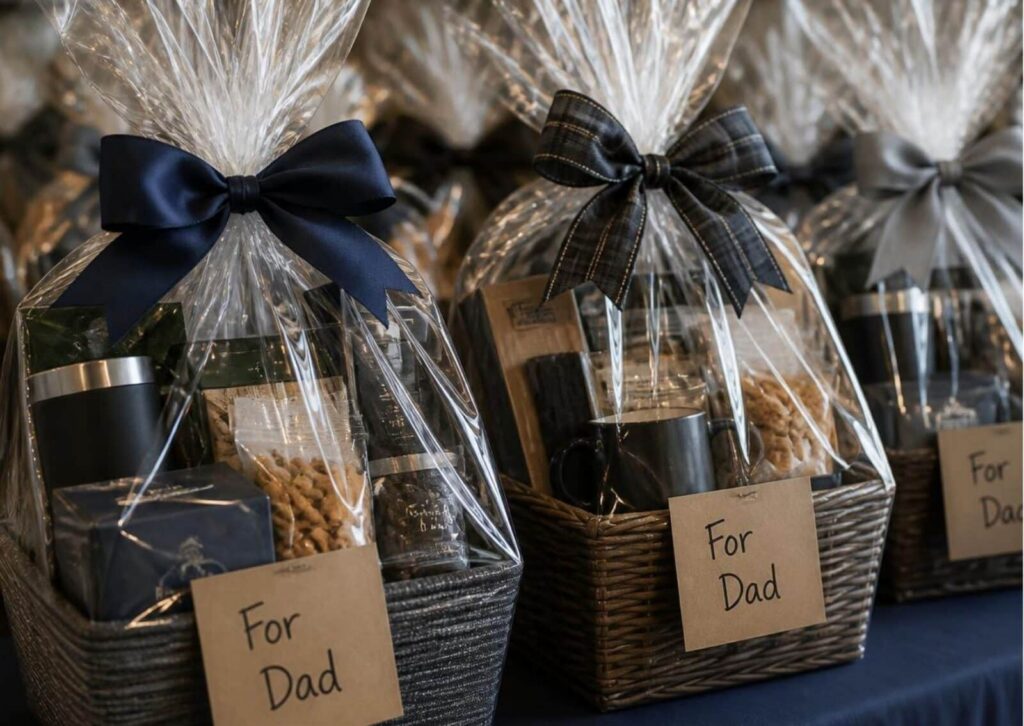
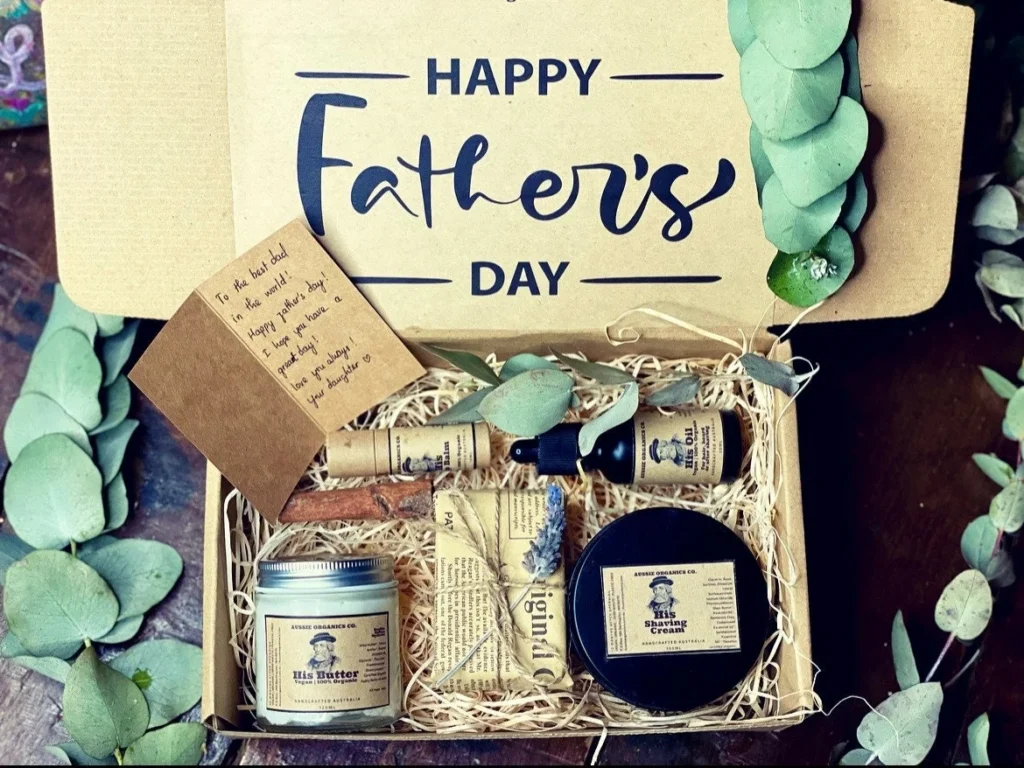
Shopping for Dad can feel oddly hard, especially when everyone wants something that looks thoughtful without blowing the budget. Fathers Day Hampers Australia choices make it easier because they bundle a clear theme, practical items, and a message that feels personal.

This guide breaks down reliable hamper ideas for Australian families across price points, with tips to match taste, delivery timing, and value.

What should they look for in Fathers Day Hampers Australia?

They should look for a hamper that matches Dad’s habits first, then worry about price. Fathers Day Hampers Australia deals vary most by product quality, brand names, and delivery inclusions.

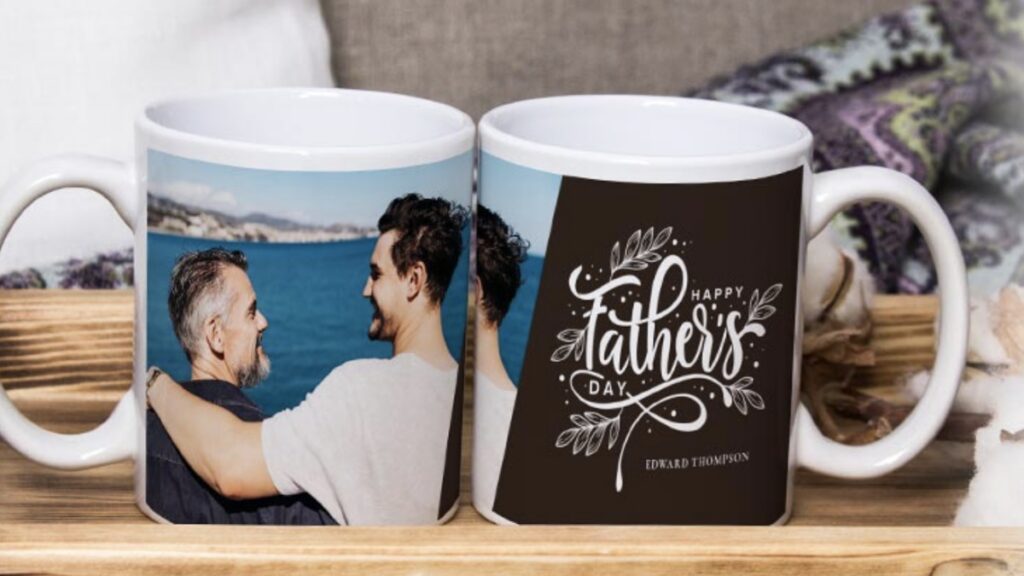
A good shortlist is simple: a clear theme (beer, coffee, BBQ), sensible portions, and packaging that survives courier handling. If it includes a card, check whether the message can be personalised and previewed before checkout.

How can they choose the right budget before they shop?

They can set a budget by deciding whether the hamper replaces a main gift or sits alongside one. Fathers Day Hampers Australia ranges often fall into three practical tiers: under £70, £70–£120, and £120+.

It also helps to budget for shipping, especially for regional areas in Queensland, WA, and the NT. If delivery is urgent, express shipping can tip a “cheap” hamper into mid-range pricing.

Fathers Day Hampers Australia

Which Fathers Day Hampers Australia options work under £70?

Under £70, they should prioritise smaller, well-curated hampers that still feel complete. Fathers Day Hampers Australia at this level often shine when they focus on one hero item plus a few supporting treats.

Good value themes include coffee and biscuits, choc-and-nuts, jerky and snacks, or a “desk hamper” with tea, shortbread, and a mug. They should avoid oversized bundles with too many filler items and unclear brand labelling. “

What are the best mid-range Father’s Day Hampers Australia picks from £70 to £120?

In the mid-range, they can expect better brands, larger portions, and stronger presentation. Father’s Day Hampers Australia in this bracket often include premium Australian pantry items like small-batch sauces, roasted nuts, and boutique sweets.

This is also where many hampers add a drink component, such as craft beer, a small whisky-style spirit, or non-alcoholic options. If they want the hamper to feel “gift-level”, this is usually the sweet spot.

When does it make sense to spend £120+ on Father’s Day Hampers Australia?

It makes sense when the hamper replaces a major present, or when multiple family members are contributing. Father’s Day Hampers Australia in the £120+ tier tend to include higher-end alcohol, larger grazing selections, and keepsake packaging like wooden crates or insulated cool bags.

They should check whether the premium price is going into product quality rather than just a bigger box. A strong premium hamper reads as deliberate, not simply expensive.

Which themes suit different types of dads?

The best theme is the one that mirrors Dad’s weekend routine. Father’s Day Hampers Australia suppliers usually group hampers by lifestyle, which makes selection faster.

For the “foodie” dad, they can choose deli-style grazing with crackers, olives, chutneys, and salami. For the outdoors dad, they can pick BBQ rubs, marinades, and hot sauce. For the quieter dad, coffee, tea, and reading snacks land well.

What are smart Father’s Day hampers Australia ideas for beer lovers?

They should look for a craft beer hamper with snacks that actually pair well, like salted nuts, pretzels, jerky, or smoky crisps. Father’s Day hampers Australia beer packs often vary by state, so they can also choose a hamper highlighting breweries from Victoria, NSW, or South Australia.

They should check the alcohol shipping rules and age verification at delivery. If Dad is rarely home, a safe-drop option may not apply to alcohol, so delivery timing matters.

How can they pick Father’s Day hampers Australia for coffee and tea dads?

They can focus on freshness and grind options rather than quantity. Father’s Day hampers Australia coffee hampers are best when beans are roasted recently and the hamper offers whole beans or a selected grind.

For tea, they can choose Australian loose-leaf blends with a small infuser, honey, and shortbread. If Dad is cutting caffeine, many brands now include quality decaf or herbal options that still feel special.

Fathers Day Hampers Australia

What Father’s Day hampers Australia options suit health-conscious families?

They should choose hampers that feel indulgent but cleaner, such as protein snacks, dried fruit, roasted chickpeas, dark chocolate, and sparkling water mixers. Father’s Day hampers Australia “healthy” labels can be vague, so reading ingredient lists and sugar content is worth the extra minute.

They can also look for gluten-free or nut-free hampers if the household needs it, but they should confirm allergen handling and cross-contamination notes.

How do they handle dietary needs and allergies without ruining the surprise?

They can keep the surprise by selecting a hamper category first, then filtering for dietary requirements. Fathers Day Hampers Australia retailers often offer vegan, gluten-free, and alcohol-free hampers, but stock can be limited closer to the day.

If they are unsure, a safer route is a “pantry basics” hamper with clearly labelled items and fewer mixed ingredients. They can also add a note asking the seller to avoid a specific ingredient where possible.

Should they buy local or send interstate within Australia?

They should buy local if they want faster delivery windows and fewer courier delays. Fathers Day Hampers Australia deliveries can get tight in the final week, especially when sending from the east coast to Perth, regional WA, or far north Queensland.

For interstate sending, they should order earlier and choose tracked shipping. It also helps to avoid hampers with fragile items like glass jars if the route includes multiple depot transfers.

What should they know about delivery timing for Fathers Day in Australia?

They should assume the week before Father’s Day is the busiest period for hamper couriers. Fathers Day Hampers Australia orders are safer when placed at least 7–10 days ahead, particularly for personalised gifts.

If they are shopping late, they can choose sellers offering express shipping from major hubs like Sydney, Melbourne, or Brisbane. They should also check cut-off times, weekend delivery rules, and whether the courier requires a signature.

How can they spot real value rather than flashy packaging?

They can spot value by checking unit sizes, brand quality, and whether the items make sense together. Fathers Day Hampers Australia listings should clearly show weights, volumes, and product names, not just styled photos.

A quick test is to count the “core” items Dad would actually consume or use. If most of the box is filler like generic sweets or tiny sachets, it may look big but deliver less satisfaction.

What are easy ways to personalise a hamper without spending much?

They can personalise through a message, one upgraded item, or a small add-on that fits the theme. Adding Dad’s favourite chocolate bar, a handwritten card, or a novelty stubby holder can shift the feeling from standard to personal.

If the seller offers custom notes, they should keep it specific. Mention a shared memory, a family joke, or a simple thank you that sounds like them, not a template.

Fathers Day Hampers Australia

What are practical Fathers Day Hampers Australia picks for new dads?

They can choose comfort-first hampers that acknowledge sleep deprivation and short breaks. Fathers Day Hampers Australia options for new dads work best when they include coffee, easy snacks, and something relaxing like a candle, eye mask, or soothing tea.

They can also pick a “movie night” hamper that works for short downtime at home. If they add baby-safe treats for the partner, it can feel like a team gift without diluting the focus.

Which Father’s Day Hampers Australia ideas suit grandads and older dads?

They should aim for classic flavours and easy-to-enjoy treats. Father’s Day Hampers Australia for grandads often land well when they include biscuits, preserves, premium tea, or nostalgic sweets with modern quality.

If alcohol is included, they can choose lighter options like sparkling mineral water mixers, a small bottle of red wine, or an alcohol-free alternative. Comfort and familiarity usually win over novelty here.

What should they do if they have left it too late?

They can choose a digital option paired with a small local purchase. A same-day eGift card to a favourite Australian retailer, plus a quick supermarket “mini hamper” at home, can still feel thoughtful.

They can also schedule a hamper delivery for the week after Father’s Day and give Dad a printed note explaining what is coming. If the message is warm and specific, most dads will not mind the timing.

How can they make Father’s Day Hampers Australia feel more meaningful on the day?

They can turn the hamper into an activity instead of a quick handover. Father’s Day Hampers Australia works best when the family opens it with Dad and uses it straight away, like setting up a grazing board, making coffee together, or planning a backyard BBQ.

If kids are involved, they can add a simple “voucher” page for chores, a car wash, or a family walk. The hamper becomes the centrepiece, but the time together becomes the real gift.

FAQs (Frequently Asked Questions)

What should I look for when choosing Fathers Day Hampers Australia?

Look for a hamper that matches Dad’s habits first, then consider price. Good Fathers Day Hampers Australia have a clear theme like beer, coffee, or BBQ, sensible portions, and sturdy packaging that can survive courier handling. Check if the included card can be personalised and previewed before checkout.

How can I set the right budget for Fathers Day Hampers Australia?

Decide if the hamper will replace a main gift or accompany one. Fathers Day Hampers Australia typically fall into three price tiers: under £70, £70–£120, and £120+. Remember to budget for shipping costs, especially for regional areas in Queensland, WA, and the NT. Express shipping may increase costs if delivery is urgent.

What are good Fathers Day Hampers Australia options under £70?

Under £70, choose smaller, well-curated hampers that focus on one hero item plus supporting treats. Popular themes include coffee and biscuits, chocolate and nuts, jerky and snacks, or a desk hamper with tea, shortbread, and a mug. Avoid oversized bundles with many filler items and unclear brand labelling.

Which Fathers Day Hampers Australia suits dads who love beer?

Select a craft beer hamper paired with snacks that complement beer well, such as salted nuts, pretzels, jerky, or smoky crisps. Consider hampers highlighting breweries from Victoria, NSW, or South Australia. Be mindful of alcohol shipping rules and age verification at delivery; timing matters if Dad is rarely home.

How do I choose Fathers Day Hampers Australia for coffee and tea lovers?

Focus on freshness and grind options rather than quantity. The best coffee hampers have recently roasted beans offered whole or ground to preference. For tea lovers, opt for Australian loose-leaf blends with accessories like a small infuser, honey, and shortbread. Decaf or herbal options are great if Dad is reducing caffeine.

Can I find Fathers Day Hampers Australia suitable for health-conscious dads?

Yes! Choose indulgent yet cleaner hampers featuring protein snacks, dried fruit, roasted chickpeas, dark chocolate, and sparkling water mixers. Always check ingredient lists and sugar content carefully as ‘healthy’ labels can be vague. Look for gluten-free or nut-free options if needed but confirm allergen handling with the seller.

What Does A Digital Food Safety System Actually Track?

When a venue adopts a digital food safety system, they are not just swapping clipboards for tablets. They are creating a live record of what happens to food, equipment, people, and processes across the day.

A good digital food safety system tracks proof. Proof that food stayed within safe limits, cleaning happened on time, allergens were controlled, and corrective actions were taken when something went off track in an Australian kitchen.

What is a digital food safety system tracking, in plain terms?

At its core, a digital food safety system tracks who did what, when they did it, what they checked, and what the result was. It turns daily food safety tasks into time-stamped, searchable records.

For Australian businesses, that usually lines up with their food safety program, council expectations, and practical needs during busy service.

How does it track temperature control for food safety?

They use it to track temperature checks across storage, preparation, cooking, cooling, holding, and transport. That includes fridges, freezers, cool rooms, bain-maries, hot holding units, and potentially delivery eskies.

A digital food safety system typically logs the temperature, the item or unit checked, the staff member, the time, and whether it passed the venue’s limits. If it fails, it can force a corrective action entry, such as moving stock, adjusting equipment, or discarding food.

What does it track about receiving deliveries and supplier checks?

They can track incoming goods checks, including delivery temperature, packaging condition, use-by dates, and signs of contamination. This is where many venues document that chilled and frozen items arrived in safe condition before they enter storage.

Many teams also track supplier details, batch or lot identifiers where relevant, and acceptance or rejection reasons. In practice, this helps if they need to identify what stock arrived on which day, from which supplier, and who signed it off.

How does it track cleaning and sanitation tasks?

They track what was cleaned, how often, what chemical was used, and who completed the task. That includes food-contact surfaces, utensils, slicers, benches, cool room handles, and dishwashing areas.

A digital food safety system often stores a cleaning schedule and prompts staff to complete tasks at set times. It can also capture verification steps, such as sign-off by a supervisor or a follow-up check after a spill or contamination risk.

What does it track for allergen management?

They track allergen declarations, ingredient changes, labelling checks, and procedures that reduce cross-contact risk. In Australian venues, this commonly includes tracking allergen matrix updates and recording that staff followed separate preparation steps when required.

Some systems also track front-of-house prompts, menu item warnings, and special order handling. A digital food safety system is most valuable here when it shows evidence of routine checks, not just a one-off policy document.

How does it track food preparation and storage practices?

They track key controls that prove food was handled safely during prep. That can include time out of temperature control, cooling start and finish times, and storage location checks.

They may also track date labelling, shelf-life rules, and stock rotation tasks like FIFO checks. When a digital food safety system is set up well, it makes it harder for a team to forget the small steps that prevent bigger incidents.

What does it track about cooking, cooling, and reheating?

They track the critical points where pathogens are most likely to grow if staff miss a step. Cooking temperatures, cooling timeframes, and reheating temperatures are common checkpoints.

A digital food safety system can require the user to enter a temperature and sometimes a probe calibration status before allowing the log to be saved. If cooling runs long, it can prompt a corrective action such as portioning into shallow trays, using an ice bath, or discarding the product if safety limits are exceeded.

How does it track equipment checks and maintenance?

They track routine checks for fridges, freezers, and thermometers, plus servicing and faults. This can include door seals, airflow issues, defrost cycles, and whether a unit is holding temperature across peak periods.

They can also track probe thermometer calibration, including ice point checks, offsets, and the date of the last verification. A digital food safety system is useful here because it links equipment problems to food safety outcomes, like repeated high fridge temps or recurring corrective actions.

What does it track for staff training and competency?

They track who has completed training, what modules they finished, and when refreshers are due. For many Australian operators, this includes induction checklists, safe food handling procedures, allergen awareness, and cleaning standards.

A digital food safety system may also store evidence like quiz results, sign-offs, and uploaded certificates. During a busy roster cycle, this helps them prove that casuals and new starters were trained, not just verbally briefed.

How does it track incidents, complaints, and corrective actions?

They track issues such as suspected food contamination, foreign objects, illness complaints, allergen incidents, and temperature failures. The key is that the record does not stop at the problem.

They also track what happened next: what was isolated, what was discarded, who was notified, and what was changed to stop it happening again. A digital food safety system is strongest when it makes corrective actions mandatory and ties them to verification checks later.

What does it track for audits and verification?

They track internal audit results, non-conformances, and follow-up actions, plus evidence that the venue checked its own system. This is different from day-to-day logs because it shows oversight.

They may include photo evidence, comments, and supervisor sign-off. In practice, that gives Australian operators a clearer story during a council visit or a third-party audit because it shows they monitor performance, not just collect records.

How does it track traceability and recalls?

They track what product came in, when it was used, and where it went, to the extent the venue’s operation allows. For a single-site café, that might be basic supplier, date received, and batch where relevant. For multi-site catering, it can be deeper.

A digital food safety system can also store recall notices, affected batches, and confirmation that stock was removed. If they ever need to act quickly, being able to search records beats flipping through folders.

What does it track across multiple sites and roles?

They track activity by site, department, and user role, so managers can see patterns. That includes which locations miss checks, which equipment causes repeat failures, and whether certain shifts struggle with compliance.

A digital food safety system also tracks accountability. It shows which staff completed tasks and which were overdue, which can improve consistency when they rely on large teams across Queensland, NSW, Victoria, or WA.

How does it track data integrity, timestamps, and proof?

They track timestamps, user identity, and changes to records, which supports record integrity. This matters because “proof” is only useful if it is reliable.

Many venues also track attachments like photos, comments, and supervisor reviews. With a digital food safety system, they can show a clean chain of evidence, rather than a page that could have been filled in later.

What should they check before trusting what a system tracks?

They should confirm the limits and workflows match their actual food safety program and the Australian operation they run. If the system allows easy pass results without real checks, it will not help when something goes wrong.

They should also confirm reporting is simple, offline mode works if reception drops, and staff can complete tasks quickly during service. A digital food safety system only improves safety if their team actually uses it, correctly, every shift.

What is a digital food safety system and how does it benefit Australian kitchens?

A digital food safety system is a live record-keeping tool that tracks food, equipment, people, and processes throughout the day. It creates time-stamped, searchable records proving that food stayed within safe limits, cleaning was done on time, allergens were controlled, and corrective actions were taken when needed. This system aligns with Australian food safety programs and council expectations, enhancing compliance and operational efficiency.

How does a digital food safety system monitor temperature control for food safety?

It tracks temperature checks across all stages including storage, preparation, cooking, cooling, holding, and transport. The system logs the temperature readings for fridges, freezers, bain-maries, hot holding units, and delivery eskies along with who checked them and when. If temperatures fall outside safe limits, it requires corrective actions like moving stock or discarding unsafe food to maintain compliance.

In what ways does a digital food safety system manage cleaning and sanitation tasks?

The system records what was cleaned, frequency of cleaning, chemicals used, and staff responsible. It maintains cleaning schedules and prompts timely task completion. Additionally, it captures verification steps such as supervisor sign-off or follow-up checks after spills or contamination risks to ensure thorough sanitation in Australian venues.

How does a digital food safety system support allergen management in food service venues?

It tracks allergen declarations, ingredient changes, labelling checks, and procedures to minimize cross-contact risks. The system logs updates to allergen matrices and verifies that staff follow separate preparation steps when required. It can also provide front-of-house prompts and special order handling documentation to ensure consistent allergen control.

What role does a digital food safety system play in tracking cooking, cooling, and reheating processes?

The system monitors critical control points by requiring temperature entries during cooking, cooling durations within safe timeframes, and reheating temperatures. It may enforce probe calibration before logging data. If cooling exceeds safe limits, it prompts corrective actions such as portioning into shallow trays or discarding unsafe products to prevent pathogen growth.

How are incidents, complaints, and corrective actions managed within a digital food safety system?

Incidents like contamination suspicions or allergen mistakes are logged along with subsequent actions taken—such as isolating affected items or notifying relevant personnel. The system makes corrective actions mandatory and ties them to verification checks later on. This ensures problems are addressed promptly and helps prevent recurrence through documented follow-up measures.

A Closer Look at Personalised Father’s Day Gifts Australia Trends

Personalised gifting has shifted from a “nice extra” to an expectation for many Australian families. This article takes a practical look at what is driving Personalised Father’s Day Gifts Australia trends, what people are buying, and how they can choose something that lands well without feeling overdone.

Why are personalised gifts becoming the default for Father’s Day in Australia?

They are becoming the default because shoppers want gifts that feel specific to the dad, not generic to the day. In Australia, the ease of ordering custom items online, plus fast local fulfilment in metro areas like Sydney, Melbourne, Brisbane and Perth, makes personalisation feel accessible rather than expensive or slow.

What do Australians mean by “personalised” now?

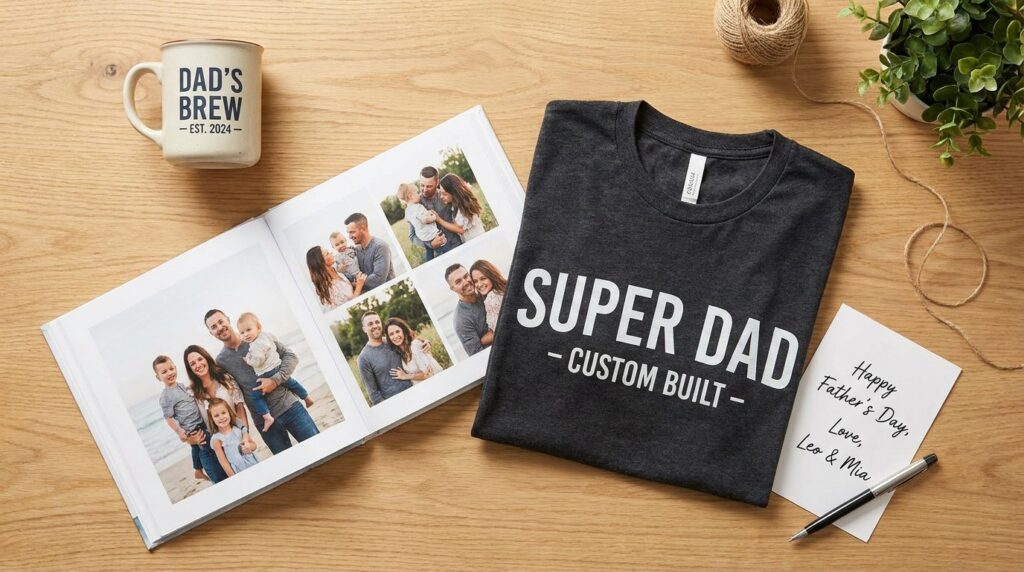
It usually means more than adding a name. For Personalised Father’s Day Gifts Australia, shoppers increasingly expect a choice of message, design style, colours, sizing and sometimes even a photo or voice note component, depending on the product. The “best” personalisation is subtle, relevant, and tied to a shared in-joke or family moment.

Which product categories are leading the personalised Father’s Day market?

The leaders are practical items that dads will actually use, with customisation that does not ruin the design. In Personalised Father’s Day Gifts Australia, strong performers include drinkware, BBQ tools, wallets, keyrings, desk accessories, photo prints, and clothing that looks wearable beyond Father’s Day.

Personalised Father's Day Gifts

Are photo gifts still popular, or are they fading out?

They are still popular, but they have changed shape. Rather than large framed collages, many families choose cleaner formats like a single standout image on a small desk print, a minimalist canvas, or a photo strip style print that looks modern in an Australian home office or living room.

How big is the shift towards practical personalised gifts?

It is significant, mainly because households are trying to avoid clutter. Personalised Father’s Day Gifts Australia purchases are increasingly “useful first, sentimental second”, such as engraved multitools, monogrammed work gear, custom aprons, or personalised travel mugs that suit commuting and weekend sport.

Why are BBQ and outdoor-themed personalised gifts trending in Australia?

They trend because they fit Australian routines and the early September timing often aligns with spring weather and outdoor plans. Personalised BBQ sets, engraved tongs, custom chopping boards, and outdoor entertaining gear work well because they match how many families spend weekends across suburbs and regional towns.

What role do Aussie small businesses and makers play in these trends?

They play a major role because shoppers want quicker delivery, better quality, and a story behind the product. For Personalised Father’s Day Gifts Australia, many buyers deliberately choose local engravers, print studios, leather workers, and makers on Australian marketplaces to avoid international shipping delays and generic templates.

Are people spending more on personalised gifts than non-personalised ones?

Often yes, but not always dramatically. Many shoppers will pay extra when the upgrade feels meaningful, like a properly engraved metal item rather than a cheap print that peels. The perceived value of Personalised Father’s Day Gifts Australia rises when personalisation looks permanent and premium.

What personalisation styles feel modern rather than cheesy?

Modern personalisation is usually minimal and well-placed. Think initials on the corner of a leather wallet, a short phrase on the underside of a watch box lid, or a subtle coordinate engraving tied to an Australian family location like the beach they visit or the suburb where the kids grew up.

Personalised Father's Day Gifts

Which messages are Australians choosing most often?

They tend to choose short, natural lines rather than long poems. Many go for “Love from…” sign-offs, nicknames the family actually uses, or simple acknowledgements of what the dad does daily. A strong rule for Personalised Father’s Day Gifts Australia is that the message should sound like the giver, not a catalogue.

How are experiences being personalised for Father’s Day?

They are being personalised through presentation and add-ons. Even when the core gift is an experience like a brewery tour, footy tickets, or a weekend away, families add custom vouchers, printed itineraries, or an engraved token like a keyring to make it feel specific and giftable.

What are the main trends in personalised gifts for first-time dads?

First-time dad gifts lean heavily into identity and keepsakes. Popular choices include custom “Dad” caps, engraved bracelets, baby’s birth stats prints, and photo books that document the first year. In Personalised Father’s Day Gifts Australia, first-time dads often receive gifts that blend sentiment with something practical for everyday wear.

How are older dads and grandads being catered for?

They are being catered for with heritage-style gifts and comfort-focused items. Engraved drinkware, personalised photo frames, custom garden tools, and monogrammed robes are common. Many families also include grandchildren’s names, which suits Personalised Father’s Day Gifts Australia buyers who want a long-term keepsake.

Are corporate and workplace Father’s Day gifts becoming more personalised?

Yes, especially in smaller teams. Instead of generic hampers, employers are choosing branded-but-personal items like engraved pens, custom notebooks, or curated snack boxes with a personalised note. The best versions feel thoughtful without being intrusive, which matters in Australian workplace culture.

What’s influencing design choices: minimalism, nostalgia, or novelty?

Minimalism is leading, with nostalgia close behind. Novelty still sells, but it is more selective, often tied to a hobby like fishing, camping, or cars. For Personalised Father’s Day Gifts Australia, shoppers are choosing designs that look good all year round, not items that scream “seasonal gift”.

How important is delivery speed for personalised Father’s Day shopping?

It is crucial because many people buy late. Australians often leave Father’s Day shopping until the final one to two weeks, so production and shipping timeframes matter. Metro delivery is a major advantage, but regional delivery planning is essential for Personalised Father’s Day Gifts Australia orders.

What are the common personalisation mistakes people should avoid?

They should avoid over-personalising, spelling errors, and poor-quality previews. Another mistake is choosing a product where the personalisation feels tacked on, like large-font text across the front of a shirt. With Personalised Father’s Day Gifts Australia, subtlety and correct details usually beat big declarations.

How can they choose a personalised gift that fits the dad’s personality?

They should start with how the dad spends a normal week. If he is always in the shed, workshop-friendly items work best. If he commutes, drinkware or a laptop accessory fits. If he hosts family lunches, serving boards and glassware are safe options. This approach makes Personalised Father’s Day Gifts Australia choices feel natural.

Personalised Father's Day Gifts

What personalisation options feel most “worth it” for the money?

Engraving and embossing usually feel worth it because they look permanent and premium. High-quality printing can also be excellent if it is durable and well-designed. For Personalised Father’s Day Gifts Australia, shoppers tend to rate value higher when the base product is good even without the custom element.

How are sustainability and local sourcing shaping personalised gift choices?

They are shaping choices through materials and packaging expectations. Many Australians look for ethically sourced timber, durable metal, recycled packaging, and local production. In Personalised Father’s Day Gifts Australia, sustainability signals often become part of the story the giver shares when the gift is opened.

What are the emerging trends to watch for next Father’s Day in Australia?

They are likely to include smarter custom tools, more refined photo products, and hobby-specific personalisation. Expect growth in personalised items for home offices, wellness, and weekend escapes, plus cleaner design templates that suit modern Australian interiors. Overall, Personalised Father’s Day Gifts Australia will keep moving towards practical products with tasteful, permanent customisation.

How can they make a personalised gift feel more meaningful on the day?

They can pair it with a short handwritten note and a simple plan, like breakfast, a walk, or a family lunch. Presentation matters, but it does not need to be elaborate. The strongest Personalised Father’s Day Gifts Australia moments come from the message matching the relationship, not from adding extra items.

What’s the simplest checklist for buying personalised Father’s Day gifts in Australia?

They should choose something he will use, keep the personalisation short, confirm spelling, and order early enough for production and shipping. If possible, they should buy from an Australian seller with clear previews and customer photos. That is the most reliable way to get Personalised Father’s Day Gifts Australia right without stress.

FAQs (Frequently Asked Questions)

Why have personalised Father’s Day gifts become the preferred choice for Australian families?

Personalised Father’s Day gifts have become the default in Australia because shoppers seek gifts that feel specific and meaningful to the dad, rather than generic presents. The ease of ordering custom items online combined with fast local fulfilment in cities like Sydney, Melbourne, Brisbane, and Perth makes personalisation accessible, affordable, and timely.

What does ‘personalised’ mean in the context of Father’s Day gifts in Australia today?

In Australia, ‘personalised’ now goes beyond simply adding a name. It often includes options for customised messages, design styles, colours, sizing, and sometimes even photo or voice note components. The most appreciated personalisation is subtle, relevant, and connected to shared family moments or inside jokes.

Which types of personalised products are most popular for Father’s Day in Australia?

Practical items that dads will use regularly lead the market. Popular personalised Father’s Day gifts in Australia include drinkware, BBQ tools, wallets, keyrings, desk accessories, photo prints, and clothing designed to be worn beyond just Father’s Day celebrations.

Are photo-based personalised gifts still trending for Father’s Day in Australia?

Yes, photo gifts remain popular but have evolved from large framed collages to more modern formats such as single standout images on small desk prints, minimalist canvases, or stylish photo strip prints that complement Australian home offices or living rooms.

Why are BBQ and outdoor-themed personalised gifts particularly popular for Father’s Day in Australia?

BBQ and outdoor-themed gifts align well with Australian lifestyles and the early September timing of Father’s Day which coincides with spring weather. Personalised BBQ sets, engraved tongs, custom chopping boards, and outdoor entertaining gear suit weekend routines across suburbs and regional towns.

How do Australian small businesses influence the personalised Father’s Day gift market?

Small local businesses play a vital role by offering quicker delivery times, higher quality products, and unique stories behind their goods. Many Australians prefer supporting local engravers, print studios, leather workers and makers via Australian marketplaces to avoid international shipping delays and generic templates.

Choosing A Digital Food Safety App: Key Features To Compare

Choosing a digital food safety app is no longer just a tech decision. For Australian cafés, caterers, pubs, clubs, aged care kitchens, and manufacturers, it is often the simplest way to prove daily compliance without drowning in paperwork.

This guide breaks down the key features to compare so they can pick a system that staff will actually use, auditors will accept, and operators will trust when it matters.

What problem should a digital food safety app solve first?

It should reduce compliance effort while improving accuracy. If it does not make checks faster than paper, teams will avoid it or backfill data later.

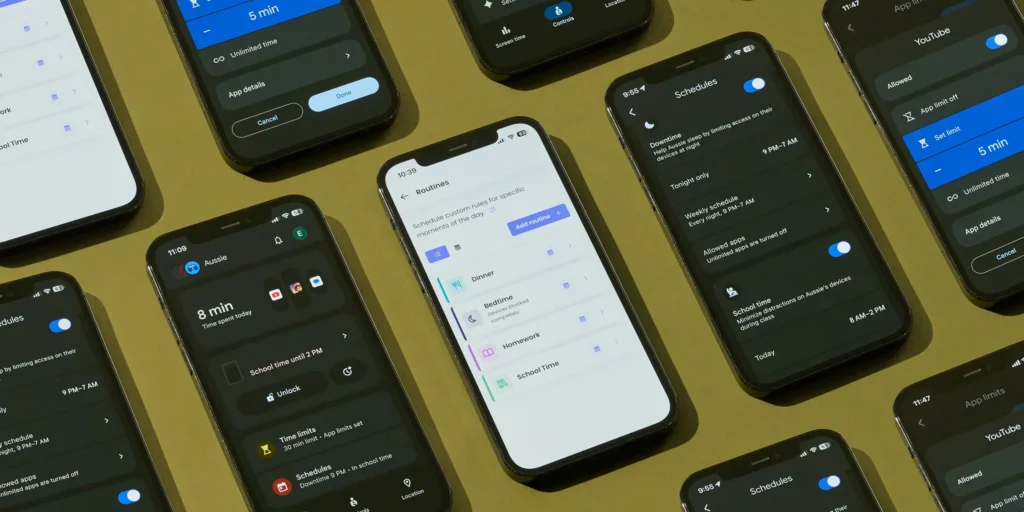
A strong starting point is mapping their busiest service periods and identifying the highest friction tasks: temperature logs, cleaning sign-offs, allergen checks, and corrective actions. Choosing a digital food safety app is easiest when the “must-fix” workflow is clear.

Does it cover Australian compliance and local council expectations?

It should support the reality of Australian inspections, including evidence that is time-stamped, attributable, and easy to export. Many councils want to see practical records, not perfect templates that do not reflect the venue.

Choosing a digital food safety app is safer when it includes configurable HACCP-based programs, food safety supervisor support documents, and audit-friendly reporting that aligns with FSANZ expectations and state requirements.

Choosing A Digital Food Safety App: Key Features To Compare

Can they customise checklists without breaking the system?

It should allow operators to tailor checklists to their menu, equipment, and processes, without needing a developer. If updates require emailing support every time a new fridge arrives, the system will lag behind the kitchen.

Look for a builder that supports conditional questions, required photo prompts, and different schedules for weekdays versus weekends. Choosing a digital food safety app often comes down to whether it can match how the business actually runs.

How well does it handle temperature monitoring and verification?

It should make temperature control effortless and defensible. That means fast manual logging, clear pass or fail thresholds, and simple escalation when readings fall outside limits.

Some venues will also want probe calibration logs and the ability to attach evidence photos. Choosing a digital food safety app is smarter when it can show a clear verification trail, not just raw numbers.

Does it support corrective actions that are practical in a real kitchen?

It should turn failures into actions, not just red flags. When a cool room runs warm, staff need guided steps: isolate product, recheck temperature, call maintenance, and document disposition.

Look for workflows that assign tasks, set due times, and record who completed the fix. Choosing a digital food safety app is more defensible when it captures what they did next, not only what went wrong.

Can they manage allergens, ingredient changes, and menu risk?

It should help teams stay consistent when suppliers change and menus evolve. For Australian venues, allergen control is often where risk becomes personal and immediate.

Useful features include allergen matrices, recipe and ingredient linking, label prompts, and “change alerts” when an ingredient is swapped. Choosing a digital food safety app should include checking whether allergen controls are built for daily use, not just policy documents.

Will it work offline in basements, cool rooms, and regional sites?

It should keep logging even when reception drops. Many Australian venues have dead zones in storage areas, loading docks, and cool rooms, and regional sites can face patchy mobile data.

Offline mode should store entries locally, then sync automatically with an audit trail when back online. Choosing a digital food safety app is risky if it relies on constant connectivity to function.

Is it fast enough for staff during a busy service?

It should feel quicker than paper, especially at peak times. If staff need five taps to log one temperature, they will postpone tasks or rush them.

The best systems use large buttons, minimal typing, smart defaults, and barcode or NFC options when relevant. Choosing a digital food safety app should include testing common tasks on a phone with wet hands and a timer running.

How easy is training for casual staff and high turnover teams?

It should be intuitive enough that new starters can learn in minutes, not hours. Hospitality teams in Australia often rely on casuals, juniors, and seasonal staff, so training time is real money.

Look for in-app guidance, simple language, multilingual options if needed, and clear responsibility prompts. Choosing a digital food safety app becomes easier when it includes role-based views that show each person only what they need.

Can managers see oversight without micromanaging?

It should provide a clear view of what is done, overdue, and repeatedly missed. Managers need a dashboard that supports coaching and accountability without chasing every tick box.

Useful tools include automated reminders, daily summaries, and trend reports that highlight recurring issues. Choosing a digital food safety app is more effective when it helps leaders prevent problems, not just react to them.

Does it offer photo, signature, and attachment evidence when needed?

It should allow evidence capture that matches the task. Photos help prove cleaning outcomes, damaged packaging, pest activity, or thermometer readings, while signatures can support handover checks.

A good system also supports attaching invoices, service reports, or calibration certificates. Choosing a digital food safety app is more audit-ready when evidence is embedded in the record, not stored across phones and folders.

How strong are reporting, exporting, and audit packs?

It should produce clear reports quickly, ideally in one click. When an auditor arrives or a head office requests records, staff should not be scrambling.

Look for export options like PDF and CSV, custom date ranges, and “audit pack” bundles for critical areas like temperatures, cleaning, and corrective actions. Choosing a digital food safety app is smoother when reporting is designed for real inspection conversations.

Does it support multi-site operations across Australia?

It should scale from one venue to many without losing consistency. Groups operating across Sydney, Melbourne, Brisbane, Perth, Adelaide, Hobart, Canberra, or regional areas need standardisation with local flexibility.

Key features include site templates, central oversight, benchmarking, and controlled editing permissions. Choosing a digital food safety app is more strategic when it can grow with their footprint and still fit each kitchen.

How does it handle roles, permissions, and accountability?

It should make it obvious who did what, when, and where. That means user logins, role-based permissions, and tamper-evident history so records cannot be quietly edited after the fact.

Managers should be able to restrict template changes while allowing staff to complete tasks. Choosing a digital food safety app is more credible when accountability is built into the system, not enforced through trust alone.

Is the system secure and compliant with Australian privacy expectations?

It should protect business data, staff identities, and operational details. Even if food safety records are not always highly sensitive, they can still reveal staffing patterns, incidents, and supplier information.

Look for encryption, secure logins, audit logs, and clear data hosting disclosures. Choosing a digital food safety app should include confirming where data is stored and how access is controlled.

Can it integrate with existing tools like sensors, POS, or maintenance?

It should reduce double handling where possible. Some businesses will benefit from integrations with Bluetooth probes, fixed temperature sensors, or maintenance platforms that track repairs.

Not every venue needs this, but it matters for higher volume or higher risk operations. Choosing a digital food safety app should include asking what integrates now, what is on the roadmap, and what costs extra.

What should they check in pricing, contracts, and hidden costs?

It should be affordable in the long run, not just in the first month. Pricing can vary by site, by user, by module, or by record volume, and add-ons can surprise teams later.

They should confirm setup fees, support tiers, hardware costs, and whether exports are paywalled. Choosing a digital food safety app is safer when the total cost is clear for 12 to 24 months.

How responsive is support in Australian time zones?

It should be easy to get help during service hours, not days later. When a checklist breaks or a login fails, staff need quick fixes to keep compliance running.

They should test support before committing by asking a real question and measuring response time. Choosing a digital food safety app is less stressful when support understands Australian operations and responds quickly.

Choosing A Digital Food Safety App: Key Features To Compare

What is the best way to trial a digital food safety app before committing?

They should run a two-week trial using real shifts, real staff, and real pressure. A trial that only managers touch in an office will miss the real issues.

A practical approach is selecting three workflows: daily temperatures, a cleaning schedule, and a corrective action process. Choosing a digital food safety app becomes obvious when completion rates rise and manager chasing drops.

What red flags suggest they should walk away?

They should be cautious if the app feels slow, confusing, or rigid during the first week. If staff avoid it, that behaviour will not improve after rollout.

Other red flags include weak export options, unclear audit history, poor offline performance, and support that cannot answer basic compliance questions. Choosing a digital food safety app should feel like gaining control, not adding another job.

How can they make the final decision with confidence?

They should choose the option that fits their busiest day, their least experienced staff member, and their strictest auditor. If it works for those three, it will usually work for everything else.

A simple scorecard helps: speed, offline mode, customisation, corrective actions, reporting, and support. Choosing a digital food safety app is ultimately about reliable habits, clear evidence, and fewer compliance surprises.

What is the primary problem a digital food safety app should solve for Australian food businesses?

A digital food safety app should primarily reduce compliance effort while improving accuracy. It must make daily checks faster than paper to ensure teams use it consistently and avoid backfilling data later. Identifying high-friction tasks like temperature logs, cleaning sign-offs, allergen checks, and corrective actions during busy periods helps in selecting the right system.

How does a digital food safety app ensure compliance with Australian regulations and local council expectations?

The app should support Australian inspection realities by providing time-stamped, attributable evidence that’s easy to export. It should include configurable HACCP-based programs, food safety supervisor support documents, and audit-friendly reporting aligned with FSANZ standards and state requirements, ensuring practical records that reflect the venue’s operations.

Can operators customize checklists in a digital food safety app without technical assistance?

Yes, the ideal app allows operators to tailor checklists to their specific menu, equipment, and processes without needing developer support. Features like conditional questions, required photo prompts, and varied schedules for weekdays versus weekends enable the system to adapt seamlessly to how the business actually runs.

How does a digital food safety app handle temperature monitoring and verification effectively?

It facilitates effortless and defensible temperature control through fast manual logging, clear pass/fail thresholds, and simple escalation workflows for out-of-limit readings. Additional features may include probe calibration logs and attaching evidence photos, creating a clear verification trail beyond just raw numbers.

In what ways does a digital food safety app support practical corrective actions in real kitchen environments?

The app transforms failures into actionable steps by guiding staff through procedures like isolating affected products, rechecking temperatures, contacting maintenance, and documenting product disposition. It enables task assignment with due times and records who completed each fix, making compliance efforts more defensible by capturing follow-up actions.

Is offline functionality important for digital food safety apps used in Australian venues?

Absolutely. Many Australian venues experience poor reception in areas like basements, cool rooms, or regional sites. An effective app should allow data logging offline with local storage that syncs automatically once connectivity is restored, ensuring continuous compliance without relying on constant internet access.