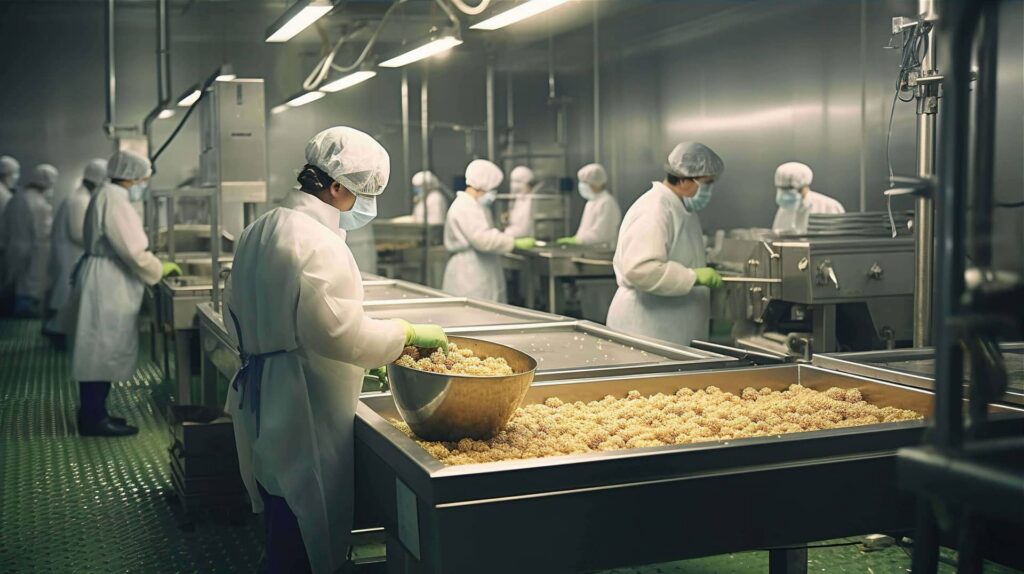
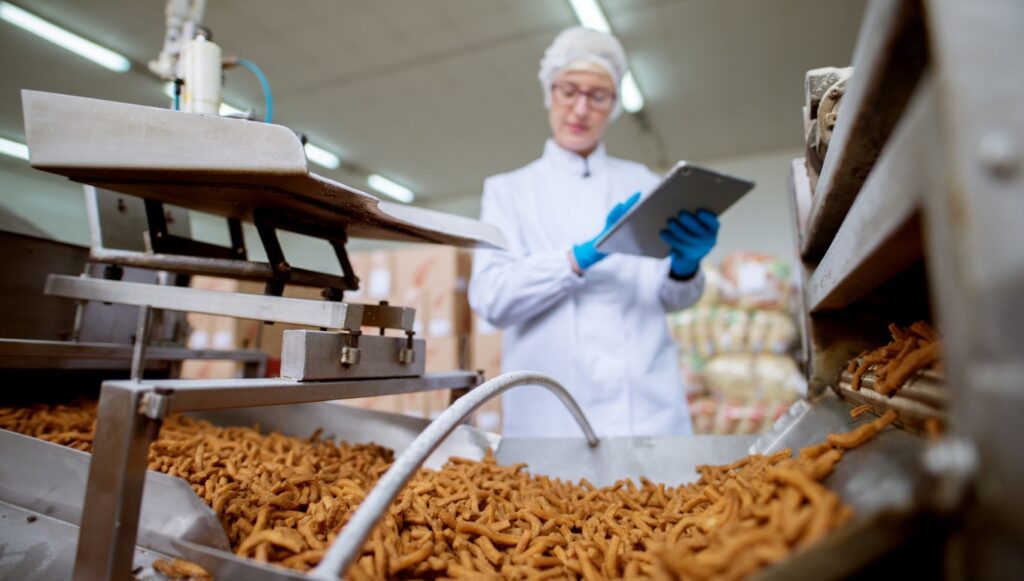
Digital Food Safety Software Versus Paper Checklists: A Comparison

Food businesses across Australia still rely on clipboards, but many are moving to apps. This guide compares digital food safety software with paper checklists so operators can choose what best protects customers, staff, and the business.

What is the real difference between digital tools and paper checklists?

The core difference is how records are captured, stored, and verified. Digital food safety software logs checks in real time with prompts, timestamps, and easier reporting, while paper relies on manual entries and physical filing.

In practice, digital systems reduce “missed step” risk, and paper systems depend heavily on staff consistency and supervisor follow-up.

Which option is easier for staff to use day to day?

Paper can feel simpler because it needs no device, login, or training. But digital food safety software often becomes easier after onboarding because it guides staff through required steps and reduces handwriting and double handling.

In busy Australian kitchens, staff usually prefer whatever is quickest during rush periods. Digital wins when it minimises steps, works offline, and is fast on a phone or tablet.

Which option reduces human error more reliably?

Digital typically reduces common errors by forcing completion, using drop-downs, and flagging unusual readings. Digital food safety software also time-stamps entries, helping managers spot checks that were completed late or filled in retrospectively.

Paper can be accurate, but it is easier to forget a check, misread handwriting, or record the wrong unit. These small issues can add up during audits or incident investigations.
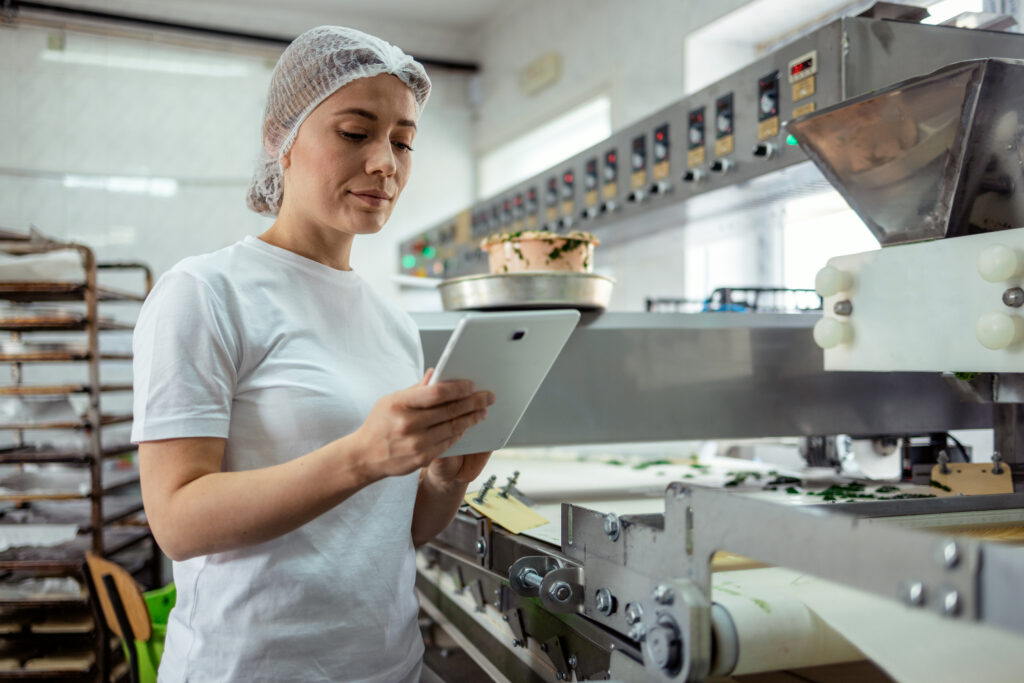
Digital Food Safety Software Versus Paper Checklists: A Comparison

How do both approaches handle temperature monitoring and corrective actions?

Digital systems can prompt at the right times and require a corrective action when a reading is out of range. With digital food safety software, the process can be: take a temperature, get an alert, record the fix, and notify a supervisor.

Paper can record the same information, but it relies on someone noticing the issue and remembering to document the response. In workplaces with casual staff turnover, digital prompts often improve consistency.

What happens during a food safety audit in Australia?

During a council or third-party audit, auditors want clear, complete, retrievable evidence. Digital food safety software can usually produce records quickly by date, site, or checklist type, which can shorten the “paper chase.”

Paper can still pass an audit, but the risk is missing pages, water damage, illegible notes, or inconsistent filing. If a business operates multiple sites in NSW, VIC, QLD, WA, SA, TAS, ACT, or the NT, paper coordination becomes harder.

Which option supports multi-site venues better?

Multi-site operators usually benefit from central visibility. Digital food safety software allows head office to see compliance across venues, compare performance, and standardise forms without printing and distributing new templates.

Paper can work at one site with stable leadership. Across several sites, paper often becomes a patchwork of different versions and filing habits, making it harder to prove consistent systems.

How do they compare on traceability and incident response?

When a complaint or suspected foodborne illness occurs, time matters. Digital food safety software can help a business quickly pull temperature logs, cleaning records, and training sign-offs for the relevant period.

With paper, finding the right binder and the right week can take longer, especially if records are stored offsite or misplaced. Faster traceability can reduce downtime and help management respond confidently.

What are the costs beyond the subscription or stationery?

Paper looks cheaper upfront, but the hidden costs can be significant: printing, clipboards, storage, management time, and rework when forms are incomplete. Digital food safety software has a subscription cost, but may reduce admin hours and audit preparation time.

For Australian businesses paying penalty rates or managing lean teams, even small time savings can be meaningful. The real cost comparison is usually labour plus risk, not paper versus app alone.

Does digital create new risks like device issues or outages?

Yes, digital introduces operational dependencies: battery life, logins, device management, and occasional outages. Good digital food safety software mitigates this with offline mode, quick sync, role-based access, and simple device policies.

Paper avoids tech failures, but it has its own vulnerabilities like damaged forms, lost folders, and unauthorised edits. The best choice depends on which risks they can control more reliably.

How do both options affect accountability and food safety culture?

Digital systems can lift accountability by making responsibility visible. Digital food safety software can show who completed a task, when it happened, and whether it was overdue, which supports coaching rather than guesswork.

Paper can still build culture, especially with hands-on supervisors. But it can also create a “tick and flick” habit if staff treat it as paperwork for the sake of it, rather than a safety system.

Which option fits best with training, onboarding, and casual workforces?

High turnover is common in hospitality, aged care catering, and seasonal venues. Digital food safety software can embed instructions, photos, and short prompts inside tasks, reducing reliance on memory and informal training.

Paper checklists can be effective if they are well designed and supervisors consistently train staff. But paper rarely explains the “why” at the moment a task is done, which can matter for new starters.

What should they consider for different Australian industries?

Different settings have different pressures, and the best system is the one they will actually use every shift. Digital food safety software tends to suit higher complexity operations where evidence, speed, and oversight matter most.

  • Cafes and restaurants: digital helps manage rush periods, temperature checks, and cleaning schedules with fewer missed tasks.
  • Aged care and healthcare catering: digital supports stricter documentation and quick reporting.
  • Childcare kitchens: digital can standardise routines and record compliance consistently.
  • Retail and supermarkets: digital can support multi-department checks and traceability.
  • Mobile food vans and events: paper can work, but digital is strong if it works offline and on phones.

Can they combine digital and paper without creating confusion?

A hybrid approach can work if roles are clear. Some businesses keep paper as a short-term backup while running digital food safety software as the primary record, especially during rollout.

The risk is duplication or mismatched “source of truth.” If they do both, they should define which record is authoritative, when paper is used, and how paper entries are later reconciled.
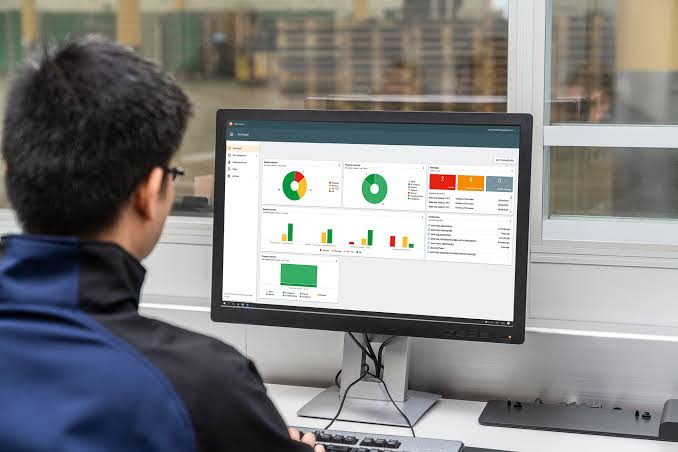
Digital Food Safety Software Versus Paper Checklists: A Comparison

How should they decide which approach to adopt?

They should choose based on risk, complexity, and whether managers can actively verify compliance. If they need faster audits, multi-site visibility, and clearer accountability, digital food safety software is often the stronger option.

If they operate a single site with stable staff and disciplined supervision, paper can still be compliant. A practical decision process is to trial digital at one venue for 4 to 8 weeks, compare completion rates, and review audit readiness.

What does a fair side-by-side comparison look like?

A fair comparison focuses on outcomes rather than preference. Digital food safety software should be judged on ease of use, completion rates, corrective action tracking, reporting speed, and how well it fits the workflow.

Paper should be judged on form design, filing discipline, supervisor verification, and retrieval speed. If either system cannot produce complete records quickly, it is not truly working, regardless of how familiar it feels.

Conclusion: which one is better for Australian food businesses?

For many Australian operators, digital food safety software is better because it improves consistency, visibility, and record retrieval under real-world pressure. Paper checklists can still work, but they demand strong supervision and disciplined filing every day.

The best choice is the system they can sustain across busy shifts, staff changes, and audit requirements, while keeping food safety behaviours front and centre.

What is the main difference between digital food safety software and paper checklists in Australian food businesses?

The core difference lies in how records are captured, stored, and verified. Digital food safety software logs checks in real time with prompts, timestamps, and easier reporting, reducing the risk of missed steps. In contrast, paper checklists rely on manual entries and physical filing, depending heavily on staff consistency and supervisor follow-up.

Which option is easier for staff to use daily: digital tools or paper checklists?

While paper may initially feel simpler as it requires no device or training, digital food safety software often becomes easier after onboarding because it guides staff through required steps, reduces handwriting, and minimizes double handling. In busy Australian kitchens, digital systems that work offline and are fast on phones or tablets tend to be preferred during rush periods.

How do digital food safety software and paper checklists compare in reducing human error?

Digital food safety software reduces common errors by enforcing task completion, using drop-down menus, flagging unusual readings, and timestamping entries to prevent late or retrospective filling. Paper checklists can be accurate but are more prone to forgotten checks, misread handwriting, or incorrect units, which can complicate audits or incident investigations.

How do both methods handle temperature monitoring and corrective actions in food safety?

Digital systems prompt staff at the right times to take temperatures, require corrective actions when readings are out of range, record fixes instantly, and notify supervisors—improving consistency especially with casual staff turnover. Paper can record similar information but relies on someone noticing issues and remembering to document responses manually.

What advantages does digital food safety software offer during food safety audits across multiple Australian sites?

Digital software provides quick retrieval of clear, complete records by date, site, or checklist type—shortening audit preparation time. It supports multi-site venues with central visibility for compliance tracking and standardizing forms without printing new templates. Paper records risk missing pages, damage, illegibility, inconsistent filing, and become harder to coordinate across multiple sites.

How do costs compare between digital food safety software subscriptions and using paper-based systems?

While paper appears cheaper upfront due to no subscription fees, hidden costs like printing, clipboards, storage space, management time, and rework for incomplete forms add up. Digital subscriptions may reduce administrative hours and audit prep time. For Australian businesses managing lean teams or paying penalty rates, labor savings plus reduced risk often make digital solutions more cost-effective overall.
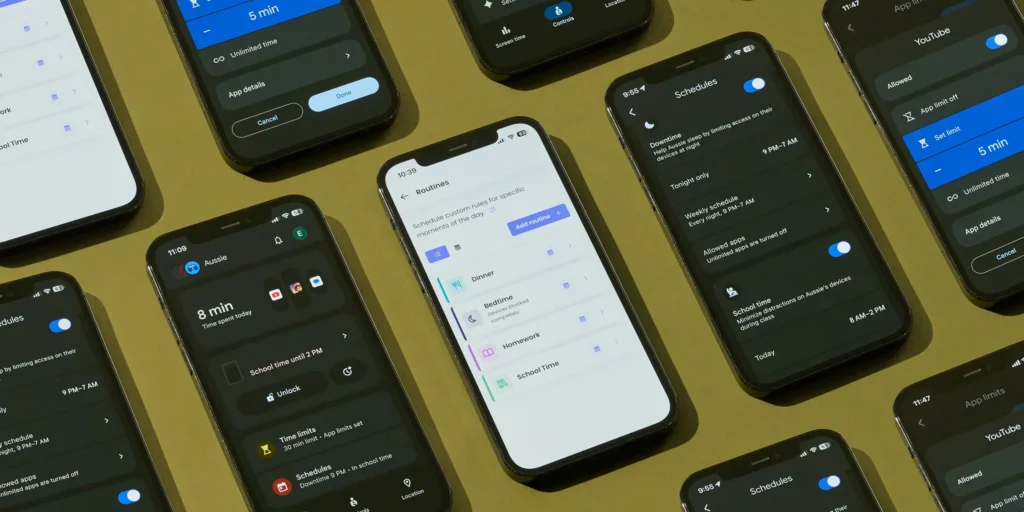

What Does A Digital Food Safety System Actually Track?

When a venue adopts a digital food safety system, they are not just swapping clipboards for tablets. They are creating a live record of what happens to food, equipment, people, and processes across the day.

A good digital food safety system tracks proof. Proof that food stayed within safe limits, cleaning happened on time, allergens were controlled, and corrective actions were taken when something went off track in an Australian kitchen.

What is a digital food safety system tracking, in plain terms?

At its core, a digital food safety system tracks who did what, when they did it, what they checked, and what the result was. It turns daily food safety tasks into time-stamped, searchable records.

For Australian businesses, that usually lines up with their food safety program, council expectations, and practical needs during busy service.

How does it track temperature control for food safety?

They use it to track temperature checks across storage, preparation, cooking, cooling, holding, and transport. That includes fridges, freezers, cool rooms, bain-maries, hot holding units, and potentially delivery eskies.

A digital food safety system typically logs the temperature, the item or unit checked, the staff member, the time, and whether it passed the venue’s limits. If it fails, it can force a corrective action entry, such as moving stock, adjusting equipment, or discarding food.

What does it track about receiving deliveries and supplier checks?

They can track incoming goods checks, including delivery temperature, packaging condition, use-by dates, and signs of contamination. This is where many venues document that chilled and frozen items arrived in safe condition before they enter storage.

Many teams also track supplier details, batch or lot identifiers where relevant, and acceptance or rejection reasons. In practice, this helps if they need to identify what stock arrived on which day, from which supplier, and who signed it off.

How does it track cleaning and sanitation tasks?

They track what was cleaned, how often, what chemical was used, and who completed the task. That includes food-contact surfaces, utensils, slicers, benches, cool room handles, and dishwashing areas.

A digital food safety system often stores a cleaning schedule and prompts staff to complete tasks at set times. It can also capture verification steps, such as sign-off by a supervisor or a follow-up check after a spill or contamination risk.

What does it track for allergen management?

They track allergen declarations, ingredient changes, labelling checks, and procedures that reduce cross-contact risk. In Australian venues, this commonly includes tracking allergen matrix updates and recording that staff followed separate preparation steps when required.

Some systems also track front-of-house prompts, menu item warnings, and special order handling. A digital food safety system is most valuable here when it shows evidence of routine checks, not just a one-off policy document.

How does it track food preparation and storage practices?

They track key controls that prove food was handled safely during prep. That can include time out of temperature control, cooling start and finish times, and storage location checks.

They may also track date labelling, shelf-life rules, and stock rotation tasks like FIFO checks. When a digital food safety system is set up well, it makes it harder for a team to forget the small steps that prevent bigger incidents.

What does it track about cooking, cooling, and reheating?

They track the critical points where pathogens are most likely to grow if staff miss a step. Cooking temperatures, cooling timeframes, and reheating temperatures are common checkpoints.

A digital food safety system can require the user to enter a temperature and sometimes a probe calibration status before allowing the log to be saved. If cooling runs long, it can prompt a corrective action such as portioning into shallow trays, using an ice bath, or discarding the product if safety limits are exceeded.

How does it track equipment checks and maintenance?

They track routine checks for fridges, freezers, and thermometers, plus servicing and faults. This can include door seals, airflow issues, defrost cycles, and whether a unit is holding temperature across peak periods.

They can also track probe thermometer calibration, including ice point checks, offsets, and the date of the last verification. A digital food safety system is useful here because it links equipment problems to food safety outcomes, like repeated high fridge temps or recurring corrective actions.

What does it track for staff training and competency?

They track who has completed training, what modules they finished, and when refreshers are due. For many Australian operators, this includes induction checklists, safe food handling procedures, allergen awareness, and cleaning standards.

A digital food safety system may also store evidence like quiz results, sign-offs, and uploaded certificates. During a busy roster cycle, this helps them prove that casuals and new starters were trained, not just verbally briefed.

How does it track incidents, complaints, and corrective actions?

They track issues such as suspected food contamination, foreign objects, illness complaints, allergen incidents, and temperature failures. The key is that the record does not stop at the problem.

They also track what happened next: what was isolated, what was discarded, who was notified, and what was changed to stop it happening again. A digital food safety system is strongest when it makes corrective actions mandatory and ties them to verification checks later.

What does it track for audits and verification?

They track internal audit results, non-conformances, and follow-up actions, plus evidence that the venue checked its own system. This is different from day-to-day logs because it shows oversight.

They may include photo evidence, comments, and supervisor sign-off. In practice, that gives Australian operators a clearer story during a council visit or a third-party audit because it shows they monitor performance, not just collect records.

How does it track traceability and recalls?

They track what product came in, when it was used, and where it went, to the extent the venue’s operation allows. For a single-site café, that might be basic supplier, date received, and batch where relevant. For multi-site catering, it can be deeper.

A digital food safety system can also store recall notices, affected batches, and confirmation that stock was removed. If they ever need to act quickly, being able to search records beats flipping through folders.

What does it track across multiple sites and roles?

They track activity by site, department, and user role, so managers can see patterns. That includes which locations miss checks, which equipment causes repeat failures, and whether certain shifts struggle with compliance.

A digital food safety system also tracks accountability. It shows which staff completed tasks and which were overdue, which can improve consistency when they rely on large teams across Queensland, NSW, Victoria, or WA.

How does it track data integrity, timestamps, and proof?

They track timestamps, user identity, and changes to records, which supports record integrity. This matters because “proof” is only useful if it is reliable.

Many venues also track attachments like photos, comments, and supervisor reviews. With a digital food safety system, they can show a clean chain of evidence, rather than a page that could have been filled in later.

What should they check before trusting what a system tracks?

They should confirm the limits and workflows match their actual food safety program and the Australian operation they run. If the system allows easy pass results without real checks, it will not help when something goes wrong.

They should also confirm reporting is simple, offline mode works if reception drops, and staff can complete tasks quickly during service. A digital food safety system only improves safety if their team actually uses it, correctly, every shift.

What is a digital food safety system and how does it benefit Australian kitchens?

A digital food safety system is a live record-keeping tool that tracks food, equipment, people, and processes throughout the day. It creates time-stamped, searchable records proving that food stayed within safe limits, cleaning was done on time, allergens were controlled, and corrective actions were taken when needed. This system aligns with Australian food safety programs and council expectations, enhancing compliance and operational efficiency.

How does a digital food safety system monitor temperature control for food safety?

It tracks temperature checks across all stages including storage, preparation, cooking, cooling, holding, and transport. The system logs the temperature readings for fridges, freezers, bain-maries, hot holding units, and delivery eskies along with who checked them and when. If temperatures fall outside safe limits, it requires corrective actions like moving stock or discarding unsafe food to maintain compliance.

In what ways does a digital food safety system manage cleaning and sanitation tasks?

The system records what was cleaned, frequency of cleaning, chemicals used, and staff responsible. It maintains cleaning schedules and prompts timely task completion. Additionally, it captures verification steps such as supervisor sign-off or follow-up checks after spills or contamination risks to ensure thorough sanitation in Australian venues.

How does a digital food safety system support allergen management in food service venues?

It tracks allergen declarations, ingredient changes, labelling checks, and procedures to minimize cross-contact risks. The system logs updates to allergen matrices and verifies that staff follow separate preparation steps when required. It can also provide front-of-house prompts and special order handling documentation to ensure consistent allergen control.

What role does a digital food safety system play in tracking cooking, cooling, and reheating processes?

The system monitors critical control points by requiring temperature entries during cooking, cooling durations within safe timeframes, and reheating temperatures. It may enforce probe calibration before logging data. If cooling exceeds safe limits, it prompts corrective actions such as portioning into shallow trays or discarding unsafe products to prevent pathogen growth.

How are incidents, complaints, and corrective actions managed within a digital food safety system?

Incidents like contamination suspicions or allergen mistakes are logged along with subsequent actions taken—such as isolating affected items or notifying relevant personnel. The system makes corrective actions mandatory and ties them to verification checks later on. This ensures problems are addressed promptly and helps prevent recurrence through documented follow-up measures.

Choosing A Digital Food Safety App: Key Features To Compare

Choosing a digital food safety app is no longer just a tech decision. For Australian cafés, caterers, pubs, clubs, aged care kitchens, and manufacturers, it is often the simplest way to prove daily compliance without drowning in paperwork.

This guide breaks down the key features to compare so they can pick a system that staff will actually use, auditors will accept, and operators will trust when it matters.

What problem should a digital food safety app solve first?

It should reduce compliance effort while improving accuracy. If it does not make checks faster than paper, teams will avoid it or backfill data later.

A strong starting point is mapping their busiest service periods and identifying the highest friction tasks: temperature logs, cleaning sign-offs, allergen checks, and corrective actions. Choosing a digital food safety app is easiest when the “must-fix” workflow is clear.

Does it cover Australian compliance and local council expectations?

It should support the reality of Australian inspections, including evidence that is time-stamped, attributable, and easy to export. Many councils want to see practical records, not perfect templates that do not reflect the venue.

Choosing a digital food safety app is safer when it includes configurable HACCP-based programs, food safety supervisor support documents, and audit-friendly reporting that aligns with FSANZ expectations and state requirements.

Choosing A Digital Food Safety App: Key Features To Compare

Can they customise checklists without breaking the system?

It should allow operators to tailor checklists to their menu, equipment, and processes, without needing a developer. If updates require emailing support every time a new fridge arrives, the system will lag behind the kitchen.

Look for a builder that supports conditional questions, required photo prompts, and different schedules for weekdays versus weekends. Choosing a digital food safety app often comes down to whether it can match how the business actually runs.

How well does it handle temperature monitoring and verification?

It should make temperature control effortless and defensible. That means fast manual logging, clear pass or fail thresholds, and simple escalation when readings fall outside limits.

Some venues will also want probe calibration logs and the ability to attach evidence photos. Choosing a digital food safety app is smarter when it can show a clear verification trail, not just raw numbers.

Does it support corrective actions that are practical in a real kitchen?

It should turn failures into actions, not just red flags. When a cool room runs warm, staff need guided steps: isolate product, recheck temperature, call maintenance, and document disposition.

Look for workflows that assign tasks, set due times, and record who completed the fix. Choosing a digital food safety app is more defensible when it captures what they did next, not only what went wrong.

Can they manage allergens, ingredient changes, and menu risk?

It should help teams stay consistent when suppliers change and menus evolve. For Australian venues, allergen control is often where risk becomes personal and immediate.

Useful features include allergen matrices, recipe and ingredient linking, label prompts, and “change alerts” when an ingredient is swapped. Choosing a digital food safety app should include checking whether allergen controls are built for daily use, not just policy documents.

Will it work offline in basements, cool rooms, and regional sites?

It should keep logging even when reception drops. Many Australian venues have dead zones in storage areas, loading docks, and cool rooms, and regional sites can face patchy mobile data.

Offline mode should store entries locally, then sync automatically with an audit trail when back online. Choosing a digital food safety app is risky if it relies on constant connectivity to function.

Is it fast enough for staff during a busy service?

It should feel quicker than paper, especially at peak times. If staff need five taps to log one temperature, they will postpone tasks or rush them.

The best systems use large buttons, minimal typing, smart defaults, and barcode or NFC options when relevant. Choosing a digital food safety app should include testing common tasks on a phone with wet hands and a timer running.

How easy is training for casual staff and high turnover teams?

It should be intuitive enough that new starters can learn in minutes, not hours. Hospitality teams in Australia often rely on casuals, juniors, and seasonal staff, so training time is real money.

Look for in-app guidance, simple language, multilingual options if needed, and clear responsibility prompts. Choosing a digital food safety app becomes easier when it includes role-based views that show each person only what they need.

Can managers see oversight without micromanaging?

It should provide a clear view of what is done, overdue, and repeatedly missed. Managers need a dashboard that supports coaching and accountability without chasing every tick box.

Useful tools include automated reminders, daily summaries, and trend reports that highlight recurring issues. Choosing a digital food safety app is more effective when it helps leaders prevent problems, not just react to them.

Does it offer photo, signature, and attachment evidence when needed?

It should allow evidence capture that matches the task. Photos help prove cleaning outcomes, damaged packaging, pest activity, or thermometer readings, while signatures can support handover checks.

A good system also supports attaching invoices, service reports, or calibration certificates. Choosing a digital food safety app is more audit-ready when evidence is embedded in the record, not stored across phones and folders.

How strong are reporting, exporting, and audit packs?

It should produce clear reports quickly, ideally in one click. When an auditor arrives or a head office requests records, staff should not be scrambling.

Look for export options like PDF and CSV, custom date ranges, and “audit pack” bundles for critical areas like temperatures, cleaning, and corrective actions. Choosing a digital food safety app is smoother when reporting is designed for real inspection conversations.

Does it support multi-site operations across Australia?

It should scale from one venue to many without losing consistency. Groups operating across Sydney, Melbourne, Brisbane, Perth, Adelaide, Hobart, Canberra, or regional areas need standardisation with local flexibility.

Key features include site templates, central oversight, benchmarking, and controlled editing permissions. Choosing a digital food safety app is more strategic when it can grow with their footprint and still fit each kitchen.

How does it handle roles, permissions, and accountability?

It should make it obvious who did what, when, and where. That means user logins, role-based permissions, and tamper-evident history so records cannot be quietly edited after the fact.

Managers should be able to restrict template changes while allowing staff to complete tasks. Choosing a digital food safety app is more credible when accountability is built into the system, not enforced through trust alone.

Is the system secure and compliant with Australian privacy expectations?

It should protect business data, staff identities, and operational details. Even if food safety records are not always highly sensitive, they can still reveal staffing patterns, incidents, and supplier information.

Look for encryption, secure logins, audit logs, and clear data hosting disclosures. Choosing a digital food safety app should include confirming where data is stored and how access is controlled.

Can it integrate with existing tools like sensors, POS, or maintenance?

It should reduce double handling where possible. Some businesses will benefit from integrations with Bluetooth probes, fixed temperature sensors, or maintenance platforms that track repairs.

Not every venue needs this, but it matters for higher volume or higher risk operations. Choosing a digital food safety app should include asking what integrates now, what is on the roadmap, and what costs extra.

What should they check in pricing, contracts, and hidden costs?

It should be affordable in the long run, not just in the first month. Pricing can vary by site, by user, by module, or by record volume, and add-ons can surprise teams later.

They should confirm setup fees, support tiers, hardware costs, and whether exports are paywalled. Choosing a digital food safety app is safer when the total cost is clear for 12 to 24 months.

How responsive is support in Australian time zones?

It should be easy to get help during service hours, not days later. When a checklist breaks or a login fails, staff need quick fixes to keep compliance running.

They should test support before committing by asking a real question and measuring response time. Choosing a digital food safety app is less stressful when support understands Australian operations and responds quickly.

Choosing A Digital Food Safety App: Key Features To Compare

What is the best way to trial a digital food safety app before committing?

They should run a two-week trial using real shifts, real staff, and real pressure. A trial that only managers touch in an office will miss the real issues.

A practical approach is selecting three workflows: daily temperatures, a cleaning schedule, and a corrective action process. Choosing a digital food safety app becomes obvious when completion rates rise and manager chasing drops.

What red flags suggest they should walk away?

They should be cautious if the app feels slow, confusing, or rigid during the first week. If staff avoid it, that behaviour will not improve after rollout.

Other red flags include weak export options, unclear audit history, poor offline performance, and support that cannot answer basic compliance questions. Choosing a digital food safety app should feel like gaining control, not adding another job.

How can they make the final decision with confidence?

They should choose the option that fits their busiest day, their least experienced staff member, and their strictest auditor. If it works for those three, it will usually work for everything else.

A simple scorecard helps: speed, offline mode, customisation, corrective actions, reporting, and support. Choosing a digital food safety app is ultimately about reliable habits, clear evidence, and fewer compliance surprises.

What is the primary problem a digital food safety app should solve for Australian food businesses?

A digital food safety app should primarily reduce compliance effort while improving accuracy. It must make daily checks faster than paper to ensure teams use it consistently and avoid backfilling data later. Identifying high-friction tasks like temperature logs, cleaning sign-offs, allergen checks, and corrective actions during busy periods helps in selecting the right system.

How does a digital food safety app ensure compliance with Australian regulations and local council expectations?

The app should support Australian inspection realities by providing time-stamped, attributable evidence that’s easy to export. It should include configurable HACCP-based programs, food safety supervisor support documents, and audit-friendly reporting aligned with FSANZ standards and state requirements, ensuring practical records that reflect the venue’s operations.

Can operators customize checklists in a digital food safety app without technical assistance?

Yes, the ideal app allows operators to tailor checklists to their specific menu, equipment, and processes without needing developer support. Features like conditional questions, required photo prompts, and varied schedules for weekdays versus weekends enable the system to adapt seamlessly to how the business actually runs.

How does a digital food safety app handle temperature monitoring and verification effectively?

It facilitates effortless and defensible temperature control through fast manual logging, clear pass/fail thresholds, and simple escalation workflows for out-of-limit readings. Additional features may include probe calibration logs and attaching evidence photos, creating a clear verification trail beyond just raw numbers.

In what ways does a digital food safety app support practical corrective actions in real kitchen environments?

The app transforms failures into actionable steps by guiding staff through procedures like isolating affected products, rechecking temperatures, contacting maintenance, and documenting product disposition. It enables task assignment with due times and records who completed each fix, making compliance efforts more defensible by capturing follow-up actions.

Is offline functionality important for digital food safety apps used in Australian venues?

Absolutely. Many Australian venues experience poor reception in areas like basements, cool rooms, or regional sites. An effective app should allow data logging offline with local storage that syncs automatically once connectivity is restored, ensuring continuous compliance without relying on constant internet access.

How Do You Get a Natural Purple Cake Colour Without Dye?

Getting a truly purple sponge without bottles of colouring is possible, but it needs the right ingredients and a little planning. The most reliable approach is using naturally purple foods, protecting their pigments from heat, and balancing acidity so the colour stays vibrant.

This guide explains how to get a natural purple cake colour without dye using Australian supermarket staples and a few simple techniques.

What actually makes a cake turn purple without colouring?

It comes from plant pigments, mainly anthocyanins, found in blueberries, purple sweet potato, black rice, red cabbage, and purple carrots. These pigments shift colour depending on pH, heat, and how diluted they are in batter.

If they want consistent results, they should choose one “hero” purple ingredient and build the recipe around it, rather than mixing lots of small purple sources.

Natural Purple Cake

Which natural ingredients give the strongest purple in Australia?

The best options are purple sweet potato (ube-style), blueberries, and black rice, because they’re strong, accessible, and bake well. Many Australian grocers stock frozen blueberries, and Asian supermarkets often carry purple sweet potato. Health food aisles may have black rice or black rice flour.

For most home bakers, purple sweet potato puree is the easiest way to learn how to get a natural purple cake colour without dye and still keep a soft crumb.

How does acidity change natural purple shades?

Anthocyanins can look redder in acidic batters and bluer in more alkaline ones. Lemon juice, buttermilk, yoghurt, and cocoa can shift the shade. Baking powder and bicarb can also influence colour, especially if used heavily.

They should aim for a slightly neutral batter to keep purple looking purple. If the cake turns pink, the mix may be too acidic.

What is the easiest method for beginners?

Purple sweet potato purée is the most forgiving option. It colours the crumb directly and usually stays purple after baking, especially when the purée is concentrated and not watery.

This is the simplest way to understand how to get a natural purple cake colour without dye because the batter itself becomes purple before it even hits the oven.

How can they use purple sweet potato for a purple sponge?

They should steam or roast purple sweet potato until very soft, then purée until smooth. Roasting tends to reduce water and intensify colour. If the purée seems wet, they can cook it briefly in a saucepan to evaporate extra moisture.

As a rule, replacing some of the liquid in the recipe with purée helps keep texture stable. For a standard 20 cm layer cake, 200 to 300 g purée often gives a clear purple tint.

Can blueberries make a cake purple, not grey?

Yes, but it depends on concentration and how the berries are processed. Whole berries often create streaks rather than an even purple crumb. For a uniform colour, they should reduce blueberry purée into a thick paste to intensify pigment and reduce water.

This reduction method is central to how to get a natural purple cake colour without dye when using fruit, because watery purée fades and bakes dull.

How do they make a concentrated blueberry paste?

They can blend blueberries, then simmer the purée on low heat until it thickens like jam. Cooling it fully before mixing into batter prevents curdling and helps keep structure consistent.

They should also strain if they want a smoother crumb, though leaving skins in can deepen colour. Using frozen blueberries from an Australian supermarket works well and is usually more consistent year round.

Natural Purple Cake

What about black rice or black rice flour?

Black rice is powerful for colour, but it needs the right format. Black rice flour can tint batters quickly, while cooked black rice blended with liquid can form a thick purple base. It may also add a slightly nutty, earthy flavour.

If they are experimenting with how to get a natural purple cake colour without dye, black rice is best in mud-cake-style recipes, muffins, or butter cakes where a richer flavour suits.

Can red cabbage be used, or will it taste like cabbage?

Red cabbage juice can produce purple, but it is tricky. The pigment is strong, yet the flavour can come through if they use too much. It also shifts dramatically with pH, so a small change can turn it pink or blue.

If they try it, they should make a strained cabbage “tea,” reduce it, and use it in icing or glaze rather than the sponge. It is a less beginner-friendly path to how to get a natural purple cake colour without dye.

How do they stop natural purple from turning brown in the oven?

Heat, oxidation, and excess baking time dull pigments. They should bake at a moderate temperature, avoid overbaking, and use cake tins that promote even heating. Overmixing can also introduce more air and speed oxidation.

A good approach is to test for doneness early and pull the cake as soon as the skewer comes out clean. Keeping the batter a richer purple than the target helps because it will usually fade slightly.

Should they change the recipe to protect the colour?

Yes, small tweaks help. They should avoid very acidic batters unless they want a magenta-purple. They should also avoid too much cocoa, which can muddy purple into grey-brown.

If they need lift, using standard baking powder levels and not overloading bicarbonate of soda helps. These adjustments make how to get a natural purple cake colour without dye far more predictable.

What cake flavours pair best with natural purple ingredients?

Vanilla, coconut, lemon, and white chocolate work especially well with purple sweet potato and blueberries. For black rice, flavours like coconut, pandan, or dark chocolate can suit the nuttier profile.

They should choose a flavour that does not overpower the pigment source. A gentle base makes the colour feel intentional, which matters when learning how to get a natural purple cake colour without dye.

Can frosting help make the purple look more vivid?

Yes, and it is often the easiest place to amplify colour naturally. A pale cake can still look purple with a naturally tinted buttercream, cream cheese frosting, or whipped ganache.

They can tint frosting with purple sweet potato powder (from some health stores), blueberry reduction, or a small amount of black rice paste. Frosting is also lower heat, which helps pigments stay bright, and reinforces how to get a natural purple cake colour without dye visually.

What is a simple formula they can follow at home?

They can use one of these approaches, depending on what is easiest to source in Australia:

  • Purple sweet potato sponge: 200 to 300 g concentrated purée plus vanilla and coconut.
  • Blueberry sponge: 150 to 250 g thick blueberry reduction, with liquids reduced accordingly.
  • Black rice cake: black rice flour replacing a portion of plain flour, or black rice paste for part of the liquid.

Sticking to one method at a time helps them master how to get a natural purple cake colour without dye without guesswork.

Natural Purple Cake

What common mistakes make the cake look grey or patchy?

The biggest issues are too much water, not enough pigment, and incompatible flavours. Blueberries that are not reduced often turn the batter thin and bake grey. Overbaking and heavy cocoa can also mute colour.

Patchiness usually comes from whole fruit rather than a smooth paste. If they want an even purple crumb, they should blend and reduce, then mix gently and thoroughly.

How can they keep the colour natural but still look “bakery bright”?

They should use contrast and styling rather than chasing neon purple. A soft lavender sponge looks striking with white frosting, fresh blueberries, edible flowers, or coconut. Layer cakes also help, because multiple slices show colour better than a single thick sponge.

This mindset keeps expectations realistic while still delivering on how to get a natural purple cake colour without dye.

How do they store a natural purple cake so it does not fade?

Light and air can fade natural pigments over time. They should store the cake covered, in an airtight container, and away from sunlight. Refrigeration can help with frostings, but it can dry sponge if not wrapped well.

If they are baking ahead for an Australian event like a birthday or baby shower, it is best to bake layers, wrap and freeze, then frost close to serving. That protects both texture and the goal of how to get a natural purple cake colour without dye.

What is the most reliable option if they need a guaranteed purple result?

Purple sweet potato is the most consistent choice for an evenly coloured sponge, especially when roasted and concentrated. Blueberry reduction comes next, but it is more sensitive to water content and baking time.

If they need reliability for a celebration cake and want to stay fully natural, purple sweet potato is the safest route for how to get a natural purple cake colour without dye.

FAQs (Frequently Asked Questions)

What natural ingredients can I use to achieve a purple cake colour without artificial dye?

You can use plant pigments called anthocyanins found in naturally purple foods like purple sweet potato (ube-style), blueberries, black rice, red cabbage, and purple carrots. Among these, purple sweet potato, blueberries, and black rice are the strongest and most accessible options in Australia for baking a vibrant purple cake.

How does acidity affect the natural purple colour in cakes?

Anthocyanins change colour depending on the pH level of your batter. Acidic ingredients like lemon juice, buttermilk, or yoghurt can shift the purple shade towards red or pink hues, while more alkaline conditions might make it appear bluer. To keep a true purple tone, aim for a slightly neutral batter and avoid excessive acidic or alkaline ingredients.

What is the easiest method for beginners to get a natural purple sponge?

Using concentrated purple sweet potato purée is the most beginner-friendly method. It colours the cake crumb directly and usually retains its vibrant purple shade after baking. Steaming or roasting the sweet potato until soft, then puréeing and reducing moisture if needed helps maintain texture and colour intensity.

Can blueberries be used to create an even purple cake colour instead of grey or streaky?

Yes, but you need to process them correctly. Whole blueberries often cause streaks and uneven colouring. Instead, blend blueberries into a purée and simmer gently until it thickens into a paste. This concentrates the pigment and reduces water content, resulting in a uniform purple crumb when mixed into your batter.

How can I prevent natural purple colours from turning brown during baking?

Heat and oxidation dull anthocyanin pigments over time. To preserve vibrant purple hues, bake at moderate temperatures, avoid overbaking by testing early for doneness, use cake tins that promote even heating, and avoid overmixing your batter which introduces excess air that speeds oxidation. Starting with a richer-than-desired purple batter also helps as some fading is normal.

Should I adjust my cake recipe to protect the natural purple colour?

Yes, small recipe tweaks improve colour retention. Avoid very acidic batters that turn purples pinkish-magenta and limit cocoa powder which can muddy colours to grey-brown. Use standard amounts of baking powder rather than excess bicarbonate of soda to keep pH balanced. These adjustments make achieving natural purple cake colours more predictable and vibrant.

More to read: Where Did Wear It Purple Start and Why It Still Matters

Food Quality Software Explained For Manufacturers And Retailers

Australian food businesses are under constant pressure to prove products are safe, consistent, and compliant. Food quality software helps manufacturers and retailers control quality processes in one place, reduce paperwork, and respond faster when issues appear.

This guide explains what food quality software does, who uses it, and what to look for before rolling it out across sites in Australia.

What is food quality software in practical terms?

It is a set of digital tools that manages quality checks, records, approvals, and corrective actions across the supply chain. Food quality software replaces scattered spreadsheets and paper forms with structured workflows, time stamps, and traceable data.

In practice, they use it to run inspections, manage non-conformances, store evidence, and produce reports for internal reviews and external audits.

Why do Australian manufacturers and retailers adopt it?

They adopt it to reduce risk and make compliance easier to demonstrate. Food quality software supports consistent processes across plants, DCs, and stores, even when teams change or turnover is high.

Many also adopt it to speed up decisions. When results, photos, and actions sit in one system, their teams can spot trends earlier and fix root causes before customers notice.

Which teams typically use it day to day?

Quality assurance teams are usually the main users, but it rarely stops there. Operations, production, store teams, maintenance, and suppliers often touch the same workflows.

In larger Australian groups, head office uses dashboards to compare sites. Site leaders use it for daily checks, and QA uses it to control documents, verify CCP monitoring, and close out corrective actions.

What problems does it solve that paper systems struggle with?

It solves visibility and traceability problems first. Paper systems can hide delays, missing checks, and repeat defects until an audit or a complaint exposes them.

It also reduces rework. When food quality software forces required fields, captures photos, and links actions to outcomes, their teams spend less time chasing signatures and more time preventing recurrence.

How does it support HACCP and food safety compliance in Australia?

It supports HACCP by making hazards, controls, and verification steps easier to follow consistently. Their teams can digitise monitoring sheets for CCPs, trigger escalations when limits are breached, and keep records audit-ready.

For Australian requirements, they typically map workflows to Food Standards Code obligations, internal policies, and retailer standards. Food quality software helps show what was checked, when it was checked, who signed off, and what was done next.

Food Quality Software Explained For Manufacturers And Retailers

What features matter most for manufacturers?

Manufacturers usually need strong process control and traceability. The most useful features include batch or lot linking, QA hold and release workflows, allergen controls, and structured non-conformance handling.

They also benefit from integrations. When food quality software connects to ERPs, lab systems, or production data, their QA team can reduce double entry and improve the speed of investigations.

What features matter most for retailers and DCs?

Retailers and distribution centres focus on execution at scale. Store-friendly mobile checks, quick photo capture, simple training prompts, and automated task schedules matter more than complex configuration.

They also need supplier and inbound controls. Food quality software can standardise receiving checks, cold chain verification, and product condition scoring across many sites with consistent reporting back to head office.

How does it help with supplier management and inbound quality?

It helps by standardising how suppliers are approved, monitored, and reviewed. Their teams can store supplier certificates, record specifications, and schedule performance reviews.

Inbound quality improves when every delivery is checked the same way. Food quality software can prompt temperature checks, packaging inspection, and rejection reasons, then tie those outcomes to supplier scorecards over time.

Can it reduce recalls and complaint costs?

It can reduce the likelihood and impact, mainly through faster detection and cleaner traceability. When non-conformances are logged early and linked to batches, their team can isolate affected stock faster.

It also improves investigation quality. With food quality software, complaints can be linked to product data, store checks, and supplier lots, which helps identify whether the issue is processing, handling, or raw material related.

How should they evaluate vendors without getting trapped in demos?

They should start with their real workflows, not the vendor’s best-case screens. A useful approach is asking vendors to run a pilot scenario using their actual forms, limits, and approval steps.

They should also test usability on the floor. If store staff or line operators find the app slow or confusing, food quality software adoption will stall, even if reporting looks impressive.

What implementation approach works best for Australian sites?

A staged rollout usually works best: one site, one category, and a clear success metric. Their team should lock down “minimum viable” workflows first, then add advanced modules once compliance and usage are stable.

Training should be role-based and short. Food quality software succeeds when operators can complete tasks in under a minute and supervisors can close actions without hunting through menus.

What data and reporting should they expect to get out of it?

They should expect real-time views of completion rates, defects by type, repeat issues, and corrective action status. Site comparisons are especially useful for multi-site Australian groups.

The best outcomes come from trend reporting. Food quality software should help them see whether issues cluster around certain suppliers, shifts, equipment, or stores, then measure whether fixes actually worked.

Food Quality Software Explained For Manufacturers And Retailers

What are common mistakes to avoid when adopting it?

The biggest mistake is digitising messy processes without simplifying them first. If their paper checks are bloated or unclear, moving them into food quality software just creates faster confusion.

Another mistake is ignoring change management. If managers do not use reports in meetings or hold teams accountable to actions, the system becomes a form-filling exercise instead of a quality improvement tool.

How do they decide if it is worth the cost?

They decide by linking costs to measurable outcomes: fewer reworks, reduced waste, faster audit preparation, lower complaint handling time, and fewer repeat non-conformances. Even small savings can matter when scaled across plants, DCs, and stores.

They should also price in risk reduction. Food quality software can shorten response times during incidents, which can protect brand trust in the Australian market where retailer standards and consumer expectations are high.

What should they do next if they are choosing a system now?

They should write a shortlist of critical workflows and test them in a pilot with real users. A simple scorecard helps: speed, offline capability, reporting clarity, audit readiness, and support responsiveness in Australian time zones.

If they keep the focus on usability and traceability, food quality software becomes a practical tool their teams will actually use, not just another system that looks good in a board pack.

What is food quality software and how does it improve food safety in Australian businesses?

Food quality software is a set of digital tools designed to manage quality checks, records, approvals, and corrective actions across the food supply chain. It replaces scattered spreadsheets and paper forms with structured workflows, time stamps, and traceable data. This software helps Australian food manufacturers and retailers control quality processes in one place, reduce paperwork, and respond faster to issues, thereby enhancing product safety and compliance.

Why do Australian food manufacturers and retailers adopt food quality software?

Australian manufacturers and retailers adopt food quality software to reduce risk and simplify compliance with food safety regulations. The software supports consistent processes across multiple sites such as plants, distribution centres, and stores—even when teams change or turnover is high. It also accelerates decision-making by consolidating results, photos, and actions into one system, enabling teams to identify trends early and address root causes before customers are affected.

Which teams typically use food quality software on a day-to-day basis in Australian food businesses?

Quality assurance (QA) teams are the primary users of food quality software; however, its use often extends beyond QA. Operations, production, store teams, maintenance staff, and suppliers frequently interact with the same workflows. In larger Australian companies, head office personnel use dashboards to compare site performance while site leaders conduct daily checks. QA teams utilize the software for document control, verifying critical control point (CCP) monitoring, and closing out corrective actions.

How does food quality software support HACCP compliance and other Australian food safety standards?

Food quality software supports HACCP by digitising hazard analysis tasks such as monitoring CCPs with electronic sheets that trigger escalations when limits are breached. It helps maintain audit-ready records by mapping workflows to the Food Standards Code obligations, internal policies, and retailer standards specific to Australia. The system clearly documents what was checked, when it was checked, who signed off on it, and subsequent actions taken—facilitating consistent adherence to food safety requirements.

What key features should Australian manufacturers look for in food quality software?

Manufacturers should prioritize strong process control and traceability features including batch or lot linking, QA hold-and-release workflows, allergen controls, and structured non-conformance handling. Integration capabilities are also important; connecting the software to ERPs, laboratory systems, or production data reduces double data entry and accelerates investigations—enhancing overall quality management efficiency.

How can Australian retailers benefit from using food quality software in their stores and distribution centres?

Retailers benefit from features focused on execution at scale such as store-friendly mobile checks for quick photo capture and simple training prompts. Automated task scheduling ensures consistent completion of receiving checks like cold chain verification and product condition scoring across multiple sites. Additionally, supplier controls standardize inbound inspections improving product quality consistency while providing centralized reporting back to head office for better oversight.

Where Did Wear It Purple Start and Why It Still Matters

Wear It Purple began as a simple, student-led idea and became a nationwide movement across Australian schools, workplaces, and communities. It still matters because visible support helps LGBTQIA+ young people feel safer, more included, and more likely to seek help when they need it.

In a country as diverse as Australia, the day gives people a practical way to show support that is easy to join and hard to miss.

Where did Wear It Purple start?

Wear It Purple started in Australia in 2010, created by young people who wanted to respond to bullying and the harm it was causing in schools. The earliest momentum came from students and youth advocates who needed adults and peers to show up, not just speak up.

From the beginning, Wear It Purple was designed to be public, positive, and community-driven, so participation could spread quickly beyond one campus or one city.

Wear It Purple

Who founded Wear It Purple and what were they trying to change?

Wear It Purple was founded by Australian young people, including Katherine Hudson and Scott Williams, who wanted safer learning environments for LGBTQIA+ students. They were trying to change the daily reality of exclusion, harassment, and silence that many students experienced.

They focused on visibility because it signals belonging. When staff, classmates, and leaders participate, it tells young people they are not alone and that prejudice is not being ignored.

Why did Wear It Purple emerge when it did in Australia?

Wear It Purple emerged during a period of heightened awareness about youth mental health, bullying, and LGBTQIA+ safety, including public discussion about the impacts of homophobia and transphobia in schools. Australia was also seeing stronger youth-led advocacy, especially online, which helped ideas travel fast.

The timing mattered because young people were asking for concrete action. Wear It Purple offered a clear, low-barrier way for communities to act together on the same day.

What does Wear It Purple stand for today?

Wear It Purple stands for acceptance, inclusion, and visible allyship for LGBTQIA+ young people across Australia. It encourages people to create spaces where students, colleagues, and community members are respected in everyday interactions.

It is also a reminder that support is not a one-off gesture. Wear It Purple is most effective when the day prompts ongoing changes, like better policies, safer reporting pathways, and inclusive language in classrooms and workplaces.

How did Wear It Purple spread from a youth idea to a national day?

Wear It Purple spread because it was easy to participate in and easy to understand. Wearing purple, sharing messages, and running simple events allowed schools and organisations from Sydney to regional Queensland to get involved without needing big budgets.

Social media amplified that reach, but so did word of mouth. Once a few schools, councils, and employers adopted Wear It Purple, others followed, especially when they saw the positive effect on students’ and staff wellbeing.

What happens on Wear It Purple Day in Australian schools?

On Wear It Purple Day, Australian schools often run assemblies, classroom activities, and student-led discussions about respect, identity, and safety. Many schools invite youth services or local LGBTQIA+ speakers, and some create quiet support spaces for students who find the day emotional.

Good practice goes beyond purple clothing. The best school activities link Wear It Purple to practical supports, like telling students how to report bullying, where the wellbeing team is, and which staff are safe contacts.

Wear It Purple

How do Australian workplaces take part in Wear It Purple?

Australian workplaces take part by encouraging staff to wear purple, sharing internal messages from leadership, and running short learning sessions on inclusion. Many also review policies on discrimination, pronouns, and respectful behaviour, using the day as a catalyst.

The strongest workplace participation connects Wear It Purple to measurable action. That might include improving onboarding materials, updating leave policies, or partnering with LGBTQIA+ community organisations for training and support.

Why does Wear It Purple still matter for LGBTQIA+ young people?

Wear It Purple still matters because visibility can reduce isolation, especially for young people who are not out at home or who fear backlash at school. A visible signal of support helps them judge whether an environment is safe enough to ask for help.

It also matters because bullying and discrimination have not disappeared. Wear It Purple provides a national moment to reaffirm that LGBTQIA+ students and young workers deserve dignity, protection, and the freedom to be themselves.

What does the colour purple symbolise in Wear It Purple?

Purple is used as a visible, unifying symbol that people can adopt without needing to disclose personal details. It helps the message feel collective, not targeted at one individual, which can be important in schools where students may not feel safe standing out.

Over time, purple has become shorthand for allyship and inclusion. When a whole classroom, office, or sports club wears it, Wear It Purple becomes a shared statement rather than a private belief.

How is Wear It Purple different from other awareness days in Australia?

Wear It Purple is distinct because it began as a youth-led initiative centred on young people’s safety and belonging. While other days may focus on broad education or commemoration, Wear It Purple is often about immediate climate, meaning how safe people feel in daily settings.

It is also highly adaptable. From a small primary school in Victoria to a large employer in Melbourne’s CBD, Wear It Purple can fit different communities while keeping the same core message.

What criticisms or risks should communities consider on Wear It Purple Day?

Wear It Purple can fall short if participation is performative, such as wearing purple while ignoring bullying reports or failing to support trans and gender-diverse students. Young people notice inconsistency quickly, and token gestures can damage trust.

Communities should also consider privacy and safety. Some students may be questioned or targeted for participating, so schools and clubs should plan ahead, reinforce behavioural expectations, and make support staff visible throughout the day.

What practical actions make Wear It Purple more than a one-day gesture?

Wear It Purple becomes meaningful when communities back it with consistent policy and behaviour. That includes clear anti-bullying processes, staff training, inclusive uniforms or dress codes, and respectful practices around names and pronouns.

They can also build ongoing student voice, such as a wellbeing committee or a student-led inclusion group. When the day links to real support pathways, Wear It Purple acts as a doorway into lasting change.

How can allies support Wear It Purple in a respectful way?

Allies can support Wear It Purple by listening to LGBTQIA+ young people, following their lead, and avoiding making the day about themselves. Simple actions help, like challenging casual slurs, using inclusive language, and checking in privately with students or colleagues who may be struggling.

They can also ask what support looks like locally. In an Australian school, that might mean backing a safer space initiative. In a workplace, it might mean advocating for inclusive HR practices tied to Wear It Purple.

Wear It Purple

What role do families and carers play in Wear It Purple?

Families and carers influence whether young people feel safe at home, which affects their mental health and confidence at school. Wear It Purple offers families a clear prompt to learn, ask questions, and show support in everyday ways.

That can be as simple as respectful language, open conversations, and believing young people when they share concerns. For some families, engaging with Wear It Purple is the first step towards understanding identity, acceptance, and wellbeing.

How can regional and remote communities in Australia engage with Wear It Purple?

Regional and remote communities can engage with Wear It Purple through schools, local councils, libraries, and health services, even when specialist services are limited. Small, consistent signals of support can matter more in places where young people feel highly visible and isolated.

Partnerships help. A regional school might link up with a youth service in a larger centre, share resources online, or invite a speaker virtually, using Wear It Purple as the moment to connect students to broader support networks.

What should people remember about where Wear It Purple started?

They should remember that Wear It Purple started with young Australians asking for safety, dignity, and visibility. It was never meant to be a trend, but a practical response to harm that was happening in everyday places like classrooms, corridors, and lunch areas.

That origin is why it still matters. When communities treat Wear It Purple as an invitation to act, not just to wear a colour, it remains one of Australia’s most accessible ways to show LGBTQIA+ young people that they belong.

FAQs (Frequently Asked Questions)

What is the origin of Wear It Purple and why was it created?

Wear It Purple began in Australia in 2010 as a student-led initiative created by young people, including founders Katherine Hudson and Scott Williams. It was established to respond to bullying and create safer learning environments for LGBTQIA+ students by promoting visibility, acceptance, and inclusion.

How did Wear It Purple evolve from a small idea to a nationwide movement?

Wear It Purple spread nationally because it was easy to participate in through simple acts like wearing purple and sharing supportive messages. Its public, positive, and community-driven nature allowed schools, workplaces, and councils across Australia to join without requiring large budgets, amplified further by social media and word of mouth.

Why is visible support important for LGBTQIA+ young people on Wear It Purple Day?

Visible support on Wear It Purple Day helps LGBTQIA+ young people feel safer, more included, and more likely to seek help when needed. Wearing purple signals belonging and allyship, reducing isolation especially for those not out at home or who fear backlash at school.

What activities typically take place in Australian schools during Wear It Purple Day?

Australian schools often hold assemblies, classroom discussions, and student-led activities focused on respect, identity, and safety. Many invite LGBTQIA+ speakers or youth services and create quiet support spaces. Effective activities also provide practical information about reporting bullying and accessing wellbeing support.

In what ways do Australian workplaces participate in Wear It Purple?

Workplaces encourage staff to wear purple, share leadership messages on inclusion, run learning sessions about respectful behaviour, and review policies on discrimination and pronouns. Many use the day as a catalyst for measurable actions like updating onboarding materials or partnering with LGBTQIA+ organisations for training.

What does the colour purple represent in the context of Wear It Purple?

Purple serves as a unifying symbol of allyship and inclusion that individuals can adopt without disclosing personal details. It creates a collective statement of support within classrooms, offices or communities, signalling that prejudice is not tolerated and that LGBTQIA+ people are valued.

More to read: The Rise of the Taylor Swift Cake and What It Says About Custom Cake Culture