
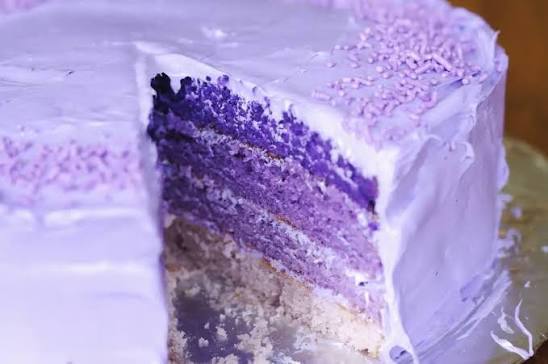
Getting a truly purple sponge without bottles of colouring is possible, but it needs the right ingredients and a little planning. The most reliable approach is using naturally purple foods, protecting their pigments from heat, and balancing acidity so the colour stays vibrant.
This guide explains how to get a natural purple cake colour without dye using Australian supermarket staples and a few simple techniques.
What actually makes a cake turn purple without colouring?
It comes from plant pigments, mainly anthocyanins, found in blueberries, purple sweet potato, black rice, red cabbage, and purple carrots. These pigments shift colour depending on pH, heat, and how diluted they are in batter.
If they want consistent results, they should choose one “hero” purple ingredient and build the recipe around it, rather than mixing lots of small purple sources.

Which natural ingredients give the strongest purple in Australia?
The best options are purple sweet potato (ube-style), blueberries, and black rice, because they’re strong, accessible, and bake well. Many Australian grocers stock frozen blueberries, and Asian supermarkets often carry purple sweet potato. Health food aisles may have black rice or black rice flour.
For most home bakers, purple sweet potato puree is the easiest way to learn how to get a natural purple cake colour without dye and still keep a soft crumb.
How does acidity change natural purple shades?
Anthocyanins can look redder in acidic batters and bluer in more alkaline ones. Lemon juice, buttermilk, yoghurt, and cocoa can shift the shade. Baking powder and bicarb can also influence colour, especially if used heavily.
They should aim for a slightly neutral batter to keep purple looking purple. If the cake turns pink, the mix may be too acidic.
What is the easiest method for beginners?
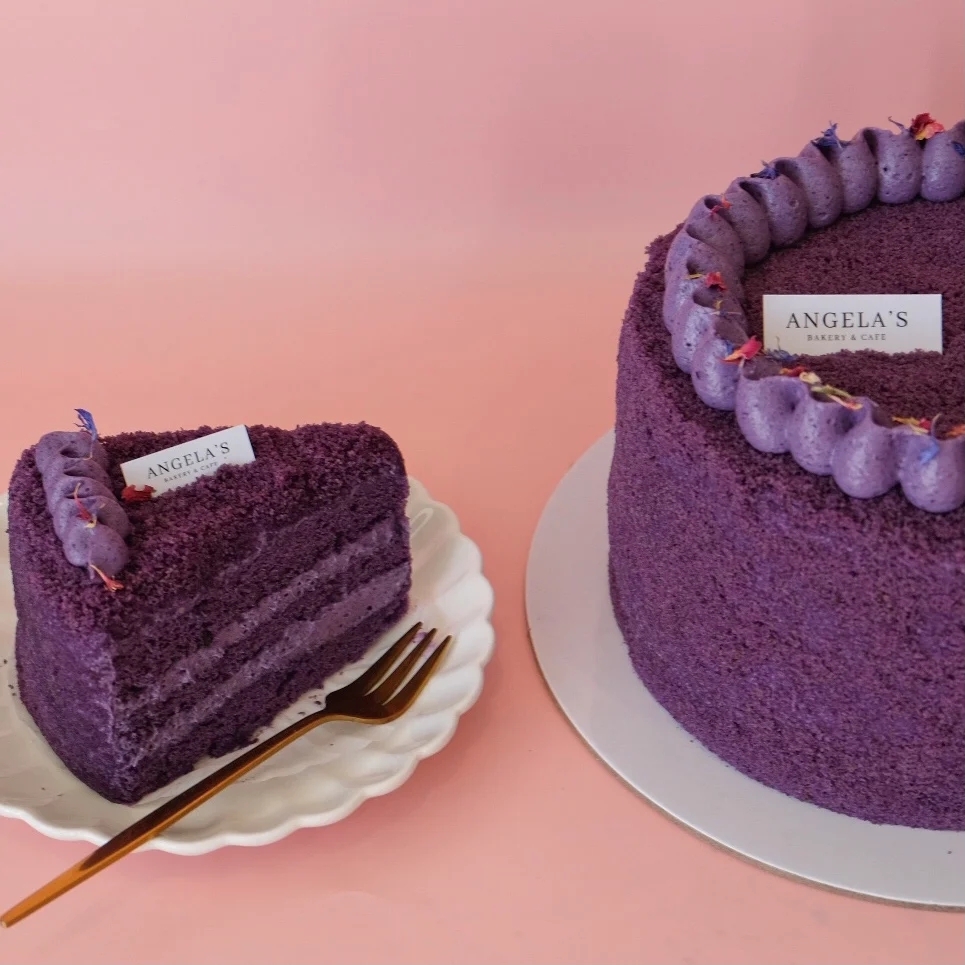
Purple sweet potato purée is the most forgiving option. It colours the crumb directly and usually stays purple after baking, especially when the purée is concentrated and not watery.
This is the simplest way to understand how to get a natural purple cake colour without dye because the batter itself becomes purple before it even hits the oven.
How can they use purple sweet potato for a purple sponge?
They should steam or roast purple sweet potato until very soft, then purée until smooth. Roasting tends to reduce water and intensify colour. If the purée seems wet, they can cook it briefly in a saucepan to evaporate extra moisture.
As a rule, replacing some of the liquid in the recipe with purée helps keep texture stable. For a standard 20 cm layer cake, 200 to 300 g purée often gives a clear purple tint.
Can blueberries make a cake purple, not grey?
Yes, but it depends on concentration and how the berries are processed. Whole berries often create streaks rather than an even purple crumb. For a uniform colour, they should reduce blueberry purée into a thick paste to intensify pigment and reduce water.
This reduction method is central to how to get a natural purple cake colour without dye when using fruit, because watery purée fades and bakes dull.
How do they make a concentrated blueberry paste?
They can blend blueberries, then simmer the purée on low heat until it thickens like jam. Cooling it fully before mixing into batter prevents curdling and helps keep structure consistent.
They should also strain if they want a smoother crumb, though leaving skins in can deepen colour. Using frozen blueberries from an Australian supermarket works well and is usually more consistent year round.
What about black rice or black rice flour?
Black rice is powerful for colour, but it needs the right format. Black rice flour can tint batters quickly, while cooked black rice blended with liquid can form a thick purple base. It may also add a slightly nutty, earthy flavour.
If they are experimenting with how to get a natural purple cake colour without dye, black rice is best in mud-cake-style recipes, muffins, or butter cakes where a richer flavour suits.
Can red cabbage be used, or will it taste like cabbage?
Red cabbage juice can produce purple, but it is tricky. The pigment is strong, yet the flavour can come through if they use too much. It also shifts dramatically with pH, so a small change can turn it pink or blue.
If they try it, they should make a strained cabbage “tea,” reduce it, and use it in icing or glaze rather than the sponge. It is a less beginner-friendly path to how to get a natural purple cake colour without dye.
How do they stop natural purple from turning brown in the oven?
Heat, oxidation, and excess baking time dull pigments. They should bake at a moderate temperature, avoid overbaking, and use cake tins that promote even heating. Overmixing can also introduce more air and speed oxidation.
A good approach is to test for doneness early and pull the cake as soon as the skewer comes out clean. Keeping the batter a richer purple than the target helps because it will usually fade slightly.
Should they change the recipe to protect the colour?
Yes, small tweaks help. They should avoid very acidic batters unless they want a magenta-purple. They should also avoid too much cocoa, which can muddy purple into grey-brown.
If they need lift, using standard baking powder levels and not overloading bicarbonate of soda helps. These adjustments make how to get a natural purple cake colour without dye far more predictable.
What cake flavours pair best with natural purple ingredients?
Vanilla, coconut, lemon, and white chocolate work especially well with purple sweet potato and blueberries. For black rice, flavours like coconut, pandan, or dark chocolate can suit the nuttier profile.
They should choose a flavour that does not overpower the pigment source. A gentle base makes the colour feel intentional, which matters when learning how to get a natural purple cake colour without dye.
Can frosting help make the purple look more vivid?
Yes, and it is often the easiest place to amplify colour naturally. A pale cake can still look purple with a naturally tinted buttercream, cream cheese frosting, or whipped ganache.
They can tint frosting with purple sweet potato powder (from some health stores), blueberry reduction, or a small amount of black rice paste. Frosting is also lower heat, which helps pigments stay bright, and reinforces how to get a natural purple cake colour without dye visually.
What is a simple formula they can follow at home?
They can use one of these approaches, depending on what is easiest to source in Australia:
- Purple sweet potato sponge: 200 to 300 g concentrated purée plus vanilla and coconut.
- Blueberry sponge: 150 to 250 g thick blueberry reduction, with liquids reduced accordingly.
- Black rice cake: black rice flour replacing a portion of plain flour, or black rice paste for part of the liquid.
Sticking to one method at a time helps them master how to get a natural purple cake colour without dye without guesswork.
What common mistakes make the cake look grey or patchy?
The biggest issues are too much water, not enough pigment, and incompatible flavours. Blueberries that are not reduced often turn the batter thin and bake grey. Overbaking and heavy cocoa can also mute colour.
Patchiness usually comes from whole fruit rather than a smooth paste. If they want an even purple crumb, they should blend and reduce, then mix gently and thoroughly.
How can they keep the colour natural but still look “bakery bright”?
They should use contrast and styling rather than chasing neon purple. A soft lavender sponge looks striking with white frosting, fresh blueberries, edible flowers, or coconut. Layer cakes also help, because multiple slices show colour better than a single thick sponge.
This mindset keeps expectations realistic while still delivering on how to get a natural purple cake colour without dye.
How do they store a natural purple cake so it does not fade?
Light and air can fade natural pigments over time. They should store the cake covered, in an airtight container, and away from sunlight. Refrigeration can help with frostings, but it can dry sponge if not wrapped well.
If they are baking ahead for an Australian event like a birthday or baby shower, it is best to bake layers, wrap and freeze, then frost close to serving. That protects both texture and the goal of how to get a natural purple cake colour without dye.
What is the most reliable option if they need a guaranteed purple result?
Purple sweet potato is the most consistent choice for an evenly coloured sponge, especially when roasted and concentrated. Blueberry reduction comes next, but it is more sensitive to water content and baking time.
If they need reliability for a celebration cake and want to stay fully natural, purple sweet potato is the safest route for how to get a natural purple cake colour without dye.
FAQs (Frequently Asked Questions)
What natural ingredients can I use to achieve a purple cake colour without artificial dye?
You can use plant pigments called anthocyanins found in naturally purple foods like purple sweet potato (ube-style), blueberries, black rice, red cabbage, and purple carrots. Among these, purple sweet potato, blueberries, and black rice are the strongest and most accessible options in Australia for baking a vibrant purple cake.
How does acidity affect the natural purple colour in cakes?
Anthocyanins change colour depending on the pH level of your batter. Acidic ingredients like lemon juice, buttermilk, or yoghurt can shift the purple shade towards red or pink hues, while more alkaline conditions might make it appear bluer. To keep a true purple tone, aim for a slightly neutral batter and avoid excessive acidic or alkaline ingredients.
What is the easiest method for beginners to get a natural purple sponge?
Using concentrated purple sweet potato purée is the most beginner-friendly method. It colours the cake crumb directly and usually retains its vibrant purple shade after baking. Steaming or roasting the sweet potato until soft, then puréeing and reducing moisture if needed helps maintain texture and colour intensity.
Can blueberries be used to create an even purple cake colour instead of grey or streaky?
Yes, but you need to process them correctly. Whole blueberries often cause streaks and uneven colouring. Instead, blend blueberries into a purée and simmer gently until it thickens into a paste. This concentrates the pigment and reduces water content, resulting in a uniform purple crumb when mixed into your batter.
How can I prevent natural purple colours from turning brown during baking?
Heat and oxidation dull anthocyanin pigments over time. To preserve vibrant purple hues, bake at moderate temperatures, avoid overbaking by testing early for doneness, use cake tins that promote even heating, and avoid overmixing your batter which introduces excess air that speeds oxidation. Starting with a richer-than-desired purple batter also helps as some fading is normal.
Should I adjust my cake recipe to protect the natural purple colour?
Yes, small recipe tweaks improve colour retention. Avoid very acidic batters that turn purples pinkish-magenta and limit cocoa powder which can muddy colours to grey-brown. Use standard amounts of baking powder rather than excess bicarbonate of soda to keep pH balanced. These adjustments make achieving natural purple cake colours more predictable and vibrant.
More to read: Where Did Wear It Purple Start and Why It Still Matters