How Do You Get a Natural Purple Cake Colour Without Dye?

Getting a truly purple sponge without bottles of colouring is possible, but it needs the right ingredients and a little planning. The most reliable approach is using naturally purple foods, protecting their pigments from heat, and balancing acidity so the colour stays vibrant.

This guide explains how to get a natural purple cake colour without dye using Australian supermarket staples and a few simple techniques.

What actually makes a cake turn purple without colouring?

It comes from plant pigments, mainly anthocyanins, found in blueberries, purple sweet potato, black rice, red cabbage, and purple carrots. These pigments shift colour depending on pH, heat, and how diluted they are in batter.

If they want consistent results, they should choose one “hero” purple ingredient and build the recipe around it, rather than mixing lots of small purple sources.
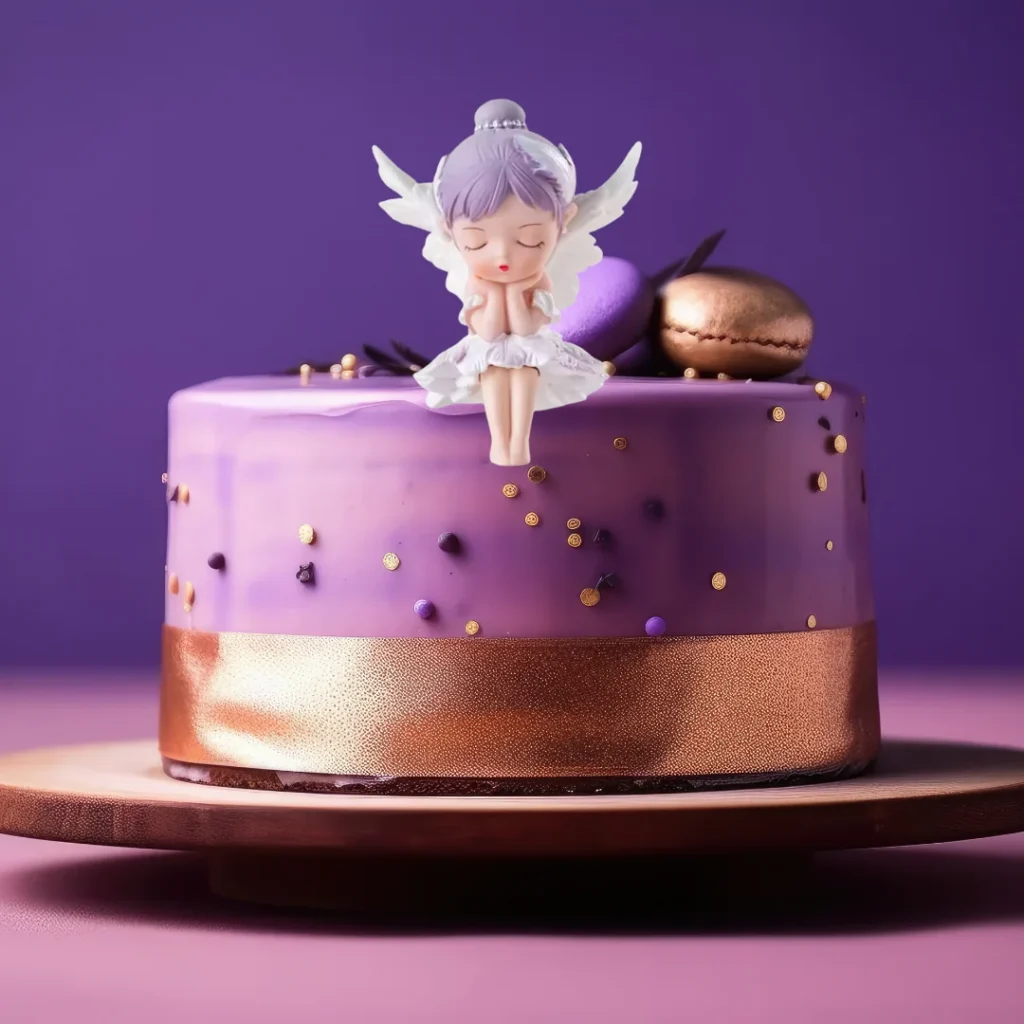
Natural Purple Cake

Which natural ingredients give the strongest purple in Australia?

The best options are purple sweet potato (ube-style), blueberries, and black rice, because they’re strong, accessible, and bake well. Many Australian grocers stock frozen blueberries, and Asian supermarkets often carry purple sweet potato. Health food aisles may have black rice or black rice flour.

For most home bakers, purple sweet potato puree is the easiest way to learn how to get a natural purple cake colour without dye and still keep a soft crumb.

How does acidity change natural purple shades?

Anthocyanins can look redder in acidic batters and bluer in more alkaline ones. Lemon juice, buttermilk, yoghurt, and cocoa can shift the shade. Baking powder and bicarb can also influence colour, especially if used heavily.

They should aim for a slightly neutral batter to keep purple looking purple. If the cake turns pink, the mix may be too acidic.

What is the easiest method for beginners?

Purple sweet potato purée is the most forgiving option. It colours the crumb directly and usually stays purple after baking, especially when the purée is concentrated and not watery.

This is the simplest way to understand how to get a natural purple cake colour without dye because the batter itself becomes purple before it even hits the oven.

How can they use purple sweet potato for a purple sponge?

They should steam or roast purple sweet potato until very soft, then purée until smooth. Roasting tends to reduce water and intensify colour. If the purée seems wet, they can cook it briefly in a saucepan to evaporate extra moisture.

As a rule, replacing some of the liquid in the recipe with purée helps keep texture stable. For a standard 20 cm layer cake, 200 to 300 g purée often gives a clear purple tint.

Can blueberries make a cake purple, not grey?

Yes, but it depends on concentration and how the berries are processed. Whole berries often create streaks rather than an even purple crumb. For a uniform colour, they should reduce blueberry purée into a thick paste to intensify pigment and reduce water.

This reduction method is central to how to get a natural purple cake colour without dye when using fruit, because watery purée fades and bakes dull.

How do they make a concentrated blueberry paste?

They can blend blueberries, then simmer the purée on low heat until it thickens like jam. Cooling it fully before mixing into batter prevents curdling and helps keep structure consistent.

They should also strain if they want a smoother crumb, though leaving skins in can deepen colour. Using frozen blueberries from an Australian supermarket works well and is usually more consistent year round.
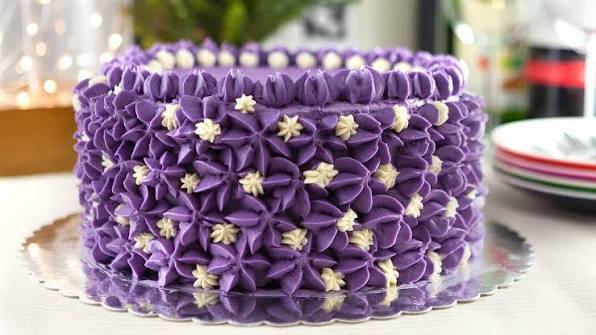
Natural Purple Cake

What about black rice or black rice flour?

Black rice is powerful for colour, but it needs the right format. Black rice flour can tint batters quickly, while cooked black rice blended with liquid can form a thick purple base. It may also add a slightly nutty, earthy flavour.

If they are experimenting with how to get a natural purple cake colour without dye, black rice is best in mud-cake-style recipes, muffins, or butter cakes where a richer flavour suits.

Can red cabbage be used, or will it taste like cabbage?

Red cabbage juice can produce purple, but it is tricky. The pigment is strong, yet the flavour can come through if they use too much. It also shifts dramatically with pH, so a small change can turn it pink or blue.

If they try it, they should make a strained cabbage “tea,” reduce it, and use it in icing or glaze rather than the sponge. It is a less beginner-friendly path to how to get a natural purple cake colour without dye.

How do they stop natural purple from turning brown in the oven?

Heat, oxidation, and excess baking time dull pigments. They should bake at a moderate temperature, avoid overbaking, and use cake tins that promote even heating. Overmixing can also introduce more air and speed oxidation.

A good approach is to test for doneness early and pull the cake as soon as the skewer comes out clean. Keeping the batter a richer purple than the target helps because it will usually fade slightly.

Should they change the recipe to protect the colour?

Yes, small tweaks help. They should avoid very acidic batters unless they want a magenta-purple. They should also avoid too much cocoa, which can muddy purple into grey-brown.

If they need lift, using standard baking powder levels and not overloading bicarbonate of soda helps. These adjustments make how to get a natural purple cake colour without dye far more predictable.

What cake flavours pair best with natural purple ingredients?

Vanilla, coconut, lemon, and white chocolate work especially well with purple sweet potato and blueberries. For black rice, flavours like coconut, pandan, or dark chocolate can suit the nuttier profile.

They should choose a flavour that does not overpower the pigment source. A gentle base makes the colour feel intentional, which matters when learning how to get a natural purple cake colour without dye.

Can frosting help make the purple look more vivid?

Yes, and it is often the easiest place to amplify colour naturally. A pale cake can still look purple with a naturally tinted buttercream, cream cheese frosting, or whipped ganache.

They can tint frosting with purple sweet potato powder (from some health stores), blueberry reduction, or a small amount of black rice paste. Frosting is also lower heat, which helps pigments stay bright, and reinforces how to get a natural purple cake colour without dye visually.

What is a simple formula they can follow at home?

They can use one of these approaches, depending on what is easiest to source in Australia:

  • Purple sweet potato sponge: 200 to 300 g concentrated purée plus vanilla and coconut.
  • Blueberry sponge: 150 to 250 g thick blueberry reduction, with liquids reduced accordingly.
  • Black rice cake: black rice flour replacing a portion of plain flour, or black rice paste for part of the liquid.

Sticking to one method at a time helps them master how to get a natural purple cake colour without dye without guesswork.
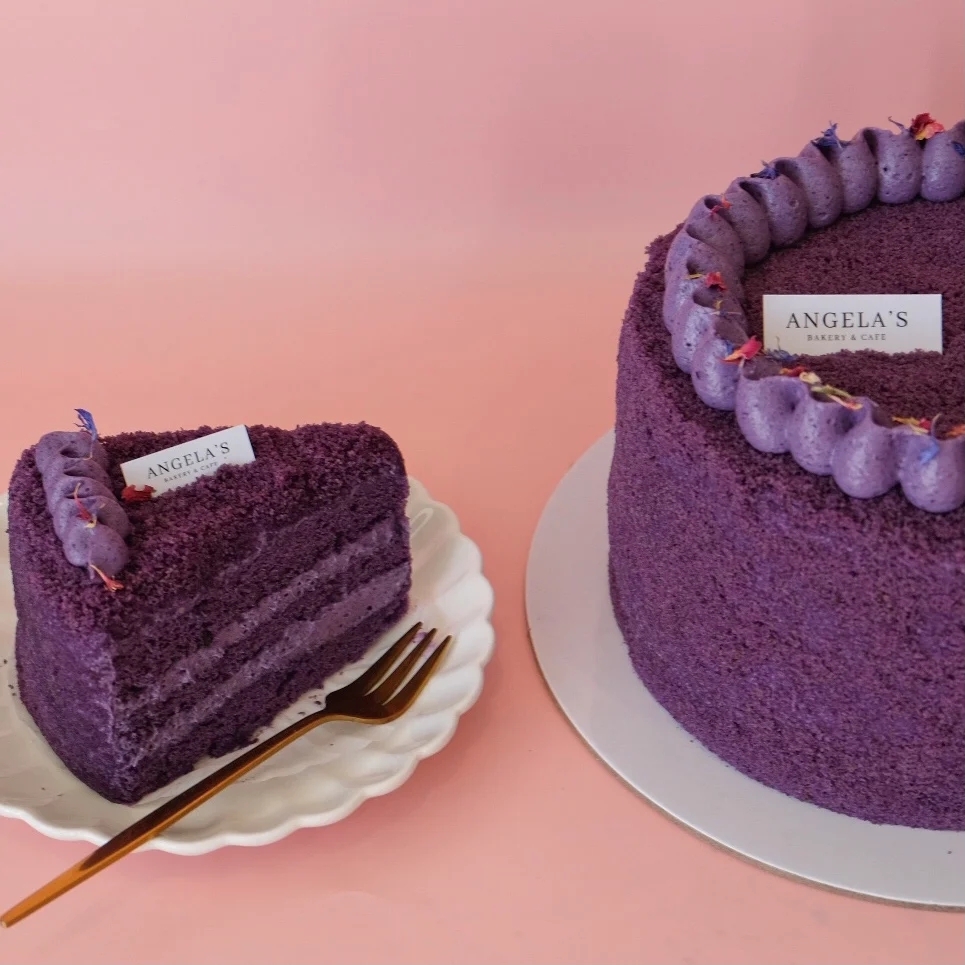
Natural Purple Cake

What common mistakes make the cake look grey or patchy?

The biggest issues are too much water, not enough pigment, and incompatible flavours. Blueberries that are not reduced often turn the batter thin and bake grey. Overbaking and heavy cocoa can also mute colour.

Patchiness usually comes from whole fruit rather than a smooth paste. If they want an even purple crumb, they should blend and reduce, then mix gently and thoroughly.

How can they keep the colour natural but still look “bakery bright”?

They should use contrast and styling rather than chasing neon purple. A soft lavender sponge looks striking with white frosting, fresh blueberries, edible flowers, or coconut. Layer cakes also help, because multiple slices show colour better than a single thick sponge.

This mindset keeps expectations realistic while still delivering on how to get a natural purple cake colour without dye.

How do they store a natural purple cake so it does not fade?

Light and air can fade natural pigments over time. They should store the cake covered, in an airtight container, and away from sunlight. Refrigeration can help with frostings, but it can dry sponge if not wrapped well.

If they are baking ahead for an Australian event like a birthday or baby shower, it is best to bake layers, wrap and freeze, then frost close to serving. That protects both texture and the goal of how to get a natural purple cake colour without dye.

What is the most reliable option if they need a guaranteed purple result?

Purple sweet potato is the most consistent choice for an evenly coloured sponge, especially when roasted and concentrated. Blueberry reduction comes next, but it is more sensitive to water content and baking time.

If they need reliability for a celebration cake and want to stay fully natural, purple sweet potato is the safest route for how to get a natural purple cake colour without dye.

FAQs (Frequently Asked Questions)

What natural ingredients can I use to achieve a purple cake colour without artificial dye?

You can use plant pigments called anthocyanins found in naturally purple foods like purple sweet potato (ube-style), blueberries, black rice, red cabbage, and purple carrots. Among these, purple sweet potato, blueberries, and black rice are the strongest and most accessible options in Australia for baking a vibrant purple cake.

How does acidity affect the natural purple colour in cakes?

Anthocyanins change colour depending on the pH level of your batter. Acidic ingredients like lemon juice, buttermilk, or yoghurt can shift the purple shade towards red or pink hues, while more alkaline conditions might make it appear bluer. To keep a true purple tone, aim for a slightly neutral batter and avoid excessive acidic or alkaline ingredients.

What is the easiest method for beginners to get a natural purple sponge?

Using concentrated purple sweet potato purée is the most beginner-friendly method. It colours the cake crumb directly and usually retains its vibrant purple shade after baking. Steaming or roasting the sweet potato until soft, then puréeing and reducing moisture if needed helps maintain texture and colour intensity.

Can blueberries be used to create an even purple cake colour instead of grey or streaky?

Yes, but you need to process them correctly. Whole blueberries often cause streaks and uneven colouring. Instead, blend blueberries into a purée and simmer gently until it thickens into a paste. This concentrates the pigment and reduces water content, resulting in a uniform purple crumb when mixed into your batter.

How can I prevent natural purple colours from turning brown during baking?

Heat and oxidation dull anthocyanin pigments over time. To preserve vibrant purple hues, bake at moderate temperatures, avoid overbaking by testing early for doneness, use cake tins that promote even heating, and avoid overmixing your batter which introduces excess air that speeds oxidation. Starting with a richer-than-desired purple batter also helps as some fading is normal.

Should I adjust my cake recipe to protect the natural purple colour?

Yes, small recipe tweaks improve colour retention. Avoid very acidic batters that turn purples pinkish-magenta and limit cocoa powder which can muddy colours to grey-brown. Use standard amounts of baking powder rather than excess bicarbonate of soda to keep pH balanced. These adjustments make achieving natural purple cake colours more predictable and vibrant.

More to read: Where Did Wear It Purple Start and Why It Still Matters
Where Did Wear It Purple Start and Why It Still Matters
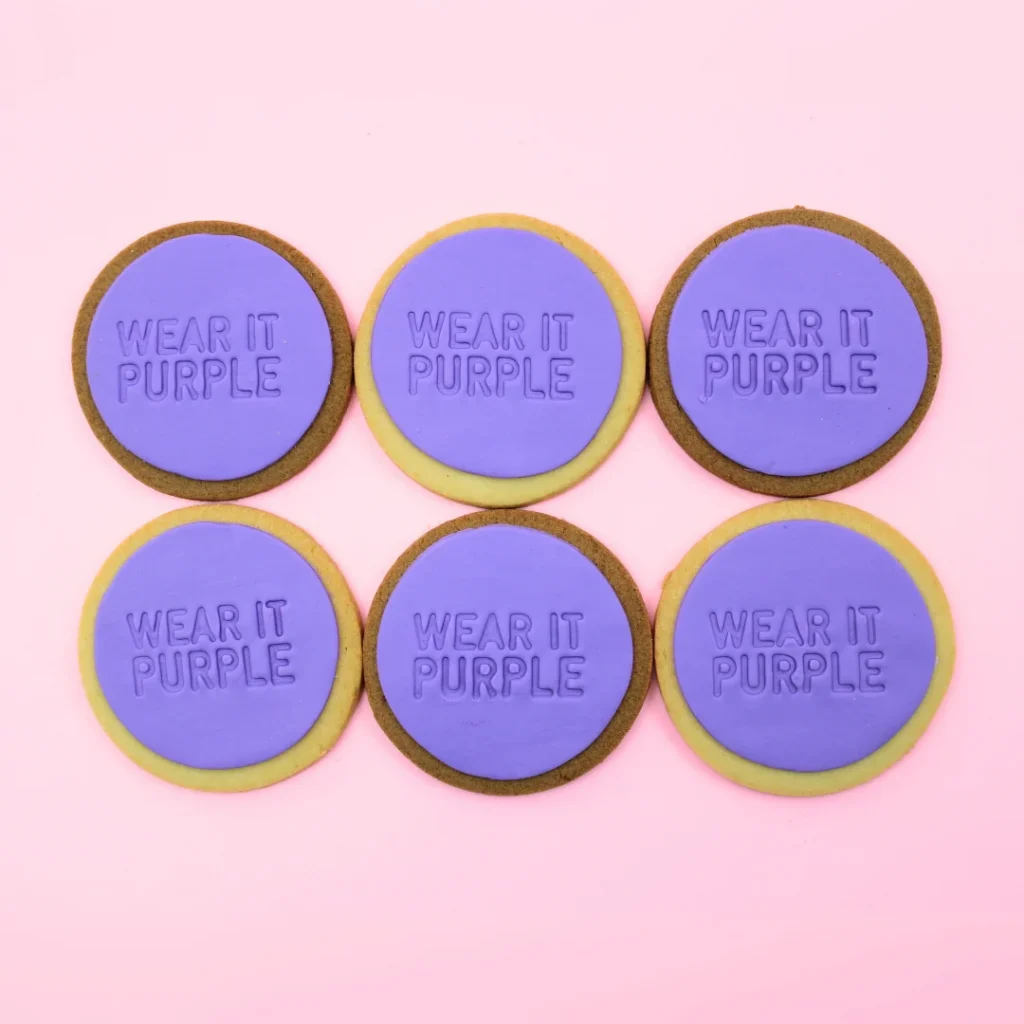
Wear It Purple began as a simple, student-led idea and became a nationwide movement across Australian schools, workplaces, and communities. It still matters because visible support helps LGBTQIA+ young people feel safer, more included, and more likely to seek help when they need it.

In a country as diverse as Australia, the day gives people a practical way to show support that is easy to join and hard to miss.

Where did Wear It Purple start?

Wear It Purple started in Australia in 2010, created by young people who wanted to respond to bullying and the harm it was causing in schools. The earliest momentum came from students and youth advocates who needed adults and peers to show up, not just speak up.

From the beginning, Wear It Purple was designed to be public, positive, and community-driven, so participation could spread quickly beyond one campus or one city.

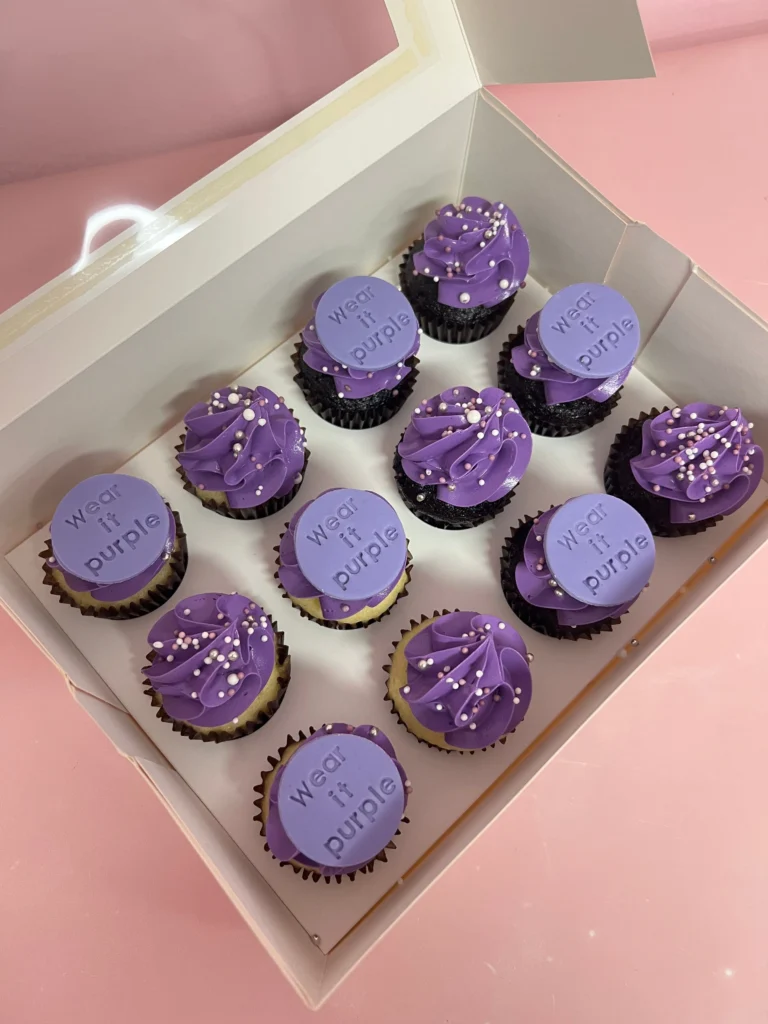
Wear It Purple

Who founded Wear It Purple and what were they trying to change?

Wear It Purple was founded by Australian young people, including Katherine Hudson and Scott Williams, who wanted safer learning environments for LGBTQIA+ students. They were trying to change the daily reality of exclusion, harassment, and silence that many students experienced.

They focused on visibility because it signals belonging. When staff, classmates, and leaders participate, it tells young people they are not alone and that prejudice is not being ignored.

Why did Wear It Purple emerge when it did in Australia?

Wear It Purple emerged during a period of heightened awareness about youth mental health, bullying, and LGBTQIA+ safety, including public discussion about the impacts of homophobia and transphobia in schools. Australia was also seeing stronger youth-led advocacy, especially online, which helped ideas travel fast.

The timing mattered because young people were asking for concrete action. Wear It Purple offered a clear, low-barrier way for communities to act together on the same day.

What does Wear It Purple stand for today?

Wear It Purple stands for acceptance, inclusion, and visible allyship for LGBTQIA+ young people across Australia. It encourages people to create spaces where students, colleagues, and community members are respected in everyday interactions.

It is also a reminder that support is not a one-off gesture. Wear It Purple is most effective when the day prompts ongoing changes, like better policies, safer reporting pathways, and inclusive language in classrooms and workplaces.

How did Wear It Purple spread from a youth idea to a national day?

Wear It Purple spread because it was easy to participate in and easy to understand. Wearing purple, sharing messages, and running simple events allowed schools and organisations from Sydney to regional Queensland to get involved without needing big budgets.

Social media amplified that reach, but so did word of mouth. Once a few schools, councils, and employers adopted Wear It Purple, others followed, especially when they saw the positive effect on students’ and staff wellbeing.

What happens on Wear It Purple Day in Australian schools?

On Wear It Purple Day, Australian schools often run assemblies, classroom activities, and student-led discussions about respect, identity, and safety. Many schools invite youth services or local LGBTQIA+ speakers, and some create quiet support spaces for students who find the day emotional.

Good practice goes beyond purple clothing. The best school activities link Wear It Purple to practical supports, like telling students how to report bullying, where the wellbeing team is, and which staff are safe contacts.

Wear It Purple

How do Australian workplaces take part in Wear It Purple?

Australian workplaces take part by encouraging staff to wear purple, sharing internal messages from leadership, and running short learning sessions on inclusion. Many also review policies on discrimination, pronouns, and respectful behaviour, using the day as a catalyst.

The strongest workplace participation connects Wear It Purple to measurable action. That might include improving onboarding materials, updating leave policies, or partnering with LGBTQIA+ community organisations for training and support.

Why does Wear It Purple still matter for LGBTQIA+ young people?

Wear It Purple still matters because visibility can reduce isolation, especially for young people who are not out at home or who fear backlash at school. A visible signal of support helps them judge whether an environment is safe enough to ask for help.

It also matters because bullying and discrimination have not disappeared. Wear It Purple provides a national moment to reaffirm that LGBTQIA+ students and young workers deserve dignity, protection, and the freedom to be themselves.

What does the colour purple symbolise in Wear It Purple?

Purple is used as a visible, unifying symbol that people can adopt without needing to disclose personal details. It helps the message feel collective, not targeted at one individual, which can be important in schools where students may not feel safe standing out.

Over time, purple has become shorthand for allyship and inclusion. When a whole classroom, office, or sports club wears it, Wear It Purple becomes a shared statement rather than a private belief.

How is Wear It Purple different from other awareness days in Australia?

Wear It Purple is distinct because it began as a youth-led initiative centred on young people’s safety and belonging. While other days may focus on broad education or commemoration, Wear It Purple is often about immediate climate, meaning how safe people feel in daily settings.

It is also highly adaptable. From a small primary school in Victoria to a large employer in Melbourne’s CBD, Wear It Purple can fit different communities while keeping the same core message.

What criticisms or risks should communities consider on Wear It Purple Day?

Wear It Purple can fall short if participation is performative, such as wearing purple while ignoring bullying reports or failing to support trans and gender-diverse students. Young people notice inconsistency quickly, and token gestures can damage trust.

Communities should also consider privacy and safety. Some students may be questioned or targeted for participating, so schools and clubs should plan ahead, reinforce behavioural expectations, and make support staff visible throughout the day.

What practical actions make Wear It Purple more than a one-day gesture?

Wear It Purple becomes meaningful when communities back it with consistent policy and behaviour. That includes clear anti-bullying processes, staff training, inclusive uniforms or dress codes, and respectful practices around names and pronouns.

They can also build ongoing student voice, such as a wellbeing committee or a student-led inclusion group. When the day links to real support pathways, Wear It Purple acts as a doorway into lasting change.

How can allies support Wear It Purple in a respectful way?

Allies can support Wear It Purple by listening to LGBTQIA+ young people, following their lead, and avoiding making the day about themselves. Simple actions help, like challenging casual slurs, using inclusive language, and checking in privately with students or colleagues who may be struggling.

They can also ask what support looks like locally. In an Australian school, that might mean backing a safer space initiative. In a workplace, it might mean advocating for inclusive HR practices tied to Wear It Purple.

Wear It Purple

What role do families and carers play in Wear It Purple?

Families and carers influence whether young people feel safe at home, which affects their mental health and confidence at school. Wear It Purple offers families a clear prompt to learn, ask questions, and show support in everyday ways.

That can be as simple as respectful language, open conversations, and believing young people when they share concerns. For some families, engaging with Wear It Purple is the first step towards understanding identity, acceptance, and wellbeing.

How can regional and remote communities in Australia engage with Wear It Purple?

Regional and remote communities can engage with Wear It Purple through schools, local councils, libraries, and health services, even when specialist services are limited. Small, consistent signals of support can matter more in places where young people feel highly visible and isolated.

Partnerships help. A regional school might link up with a youth service in a larger centre, share resources online, or invite a speaker virtually, using Wear It Purple as the moment to connect students to broader support networks.

What should people remember about where Wear It Purple started?

They should remember that Wear It Purple started with young Australians asking for safety, dignity, and visibility. It was never meant to be a trend, but a practical response to harm that was happening in everyday places like classrooms, corridors, and lunch areas.

That origin is why it still matters. When communities treat Wear It Purple as an invitation to act, not just to wear a colour, it remains one of Australia’s most accessible ways to show LGBTQIA+ young people that they belong.

FAQs (Frequently Asked Questions)

What is the origin of Wear It Purple and why was it created?

Wear It Purple began in Australia in 2010 as a student-led initiative created by young people, including founders Katherine Hudson and Scott Williams. It was established to respond to bullying and create safer learning environments for LGBTQIA+ students by promoting visibility, acceptance, and inclusion.

How did Wear It Purple evolve from a small idea to a nationwide movement?

Wear It Purple spread nationally because it was easy to participate in through simple acts like wearing purple and sharing supportive messages. Its public, positive, and community-driven nature allowed schools, workplaces, and councils across Australia to join without requiring large budgets, amplified further by social media and word of mouth.

Why is visible support important for LGBTQIA+ young people on Wear It Purple Day?

Visible support on Wear It Purple Day helps LGBTQIA+ young people feel safer, more included, and more likely to seek help when needed. Wearing purple signals belonging and allyship, reducing isolation especially for those not out at home or who fear backlash at school.

What activities typically take place in Australian schools during Wear It Purple Day?

Australian schools often hold assemblies, classroom discussions, and student-led activities focused on respect, identity, and safety. Many invite LGBTQIA+ speakers or youth services and create quiet support spaces. Effective activities also provide practical information about reporting bullying and accessing wellbeing support.

In what ways do Australian workplaces participate in Wear It Purple?

Workplaces encourage staff to wear purple, share leadership messages on inclusion, run learning sessions about respectful behaviour, and review policies on discrimination and pronouns. Many use the day as a catalyst for measurable actions like updating onboarding materials or partnering with LGBTQIA+ organisations for training.

What does the colour purple represent in the context of Wear It Purple?

Purple serves as a unifying symbol of allyship and inclusion that individuals can adopt without disclosing personal details. It creates a collective statement of support within classrooms, offices or communities, signalling that prejudice is not tolerated and that LGBTQIA+ people are valued.

More to read: The Rise of the Taylor Swift Cake and What It Says About Custom Cake Culture

What Should You Actually Look for When Searching for the Best Cupcakes Near You?

So if they are trying to find the best cupcakes near you, what should they actually look for, beyond the obvious five-star rating?

Is the cupcake shop baking on-site (or just decorating something brought in)?

This is one of those unglamorous details that changes everything. Fresh baking usually means better texture, better aroma, and that soft crumb people expect when they are chasing the best cupcakes near you.

A quick clue when looking for cupcakes near me is the smell when they walk in, or even how often the menu rotates. If everything is always identical, every day, for months, it can be a sign the product is coming from elsewhere—not always, but often.

Do the cupcakes look good up close, not just on Instagram?

Most people can spot a pretty cupcake online. The harder part is spotting quality in person. The best cupcakes near you usually have little tells. The cake looks moist, not shiny and dense. The icing looks smooth but not crusty. The sprinkles and toppings look fresh, not like they have been sitting under lights since yesterday.

And yes, they should judge the display a bit. If the cabinet looks dry, messy, or warm, that matters more than the neon sign.

What Should You Actually Look for When Searching for the Best Cupcakes Near You?

Are the flavours balanced, or is it all sweetness and no point?

A cupcake can be sweet. It is meant to be. But the best cupcakes near you should still taste like something. Vanilla that actually tastes like vanilla. Chocolate that has depth, not just cocoa coloured sugar. Fruit flavours that feel bright, not artificial.

A good sign is when the menu includes a mix of classics and a few slightly braver options. Think lemon curd, salted caramel, espresso, passionfruit, maybe a spiced option. Not twenty gimmicks, just enough to show they care.

Is the frosting the right type for the style they’re selling?

Not all frosting is meant to be the same. Some places lean into buttercream, others go for cream cheese frosting, whipped styles, or ganache. The issue is when the frosting does not match the promise. If they are advertising “light and fluffy” but the icing is heavy and greasy, people will remember.

When someone is hunting the best cupcakes near you, frosting is often the dealbreaker. Too much, and it overwhelms. Too little, and it feels stingy. The best shops get that ratio right without needing a ruler.

What do the reviews say about taste, not just service?

Lots of reviews focus on staff being friendly, or the shop being cute. Nice, but not the point. If they are serious about finding the best cupcakes near you, they should look for reviews that mention texture, freshness, and flavour.

Helpful review phrases include things like:

  • moist, not dry
  • not overly sweet
  • balanced icing
  • good cake-to-frosting ratio
  • fresh on the day
  • flavours taste real

If the reviews are all “sooo yum!!” with nothing else, it is not useless, but it is not proof either.

Are they transparent about ingredients and allergens?

The best cupcakes near you often come from bakeries that are confident enough to explain what is inside. They do not need to share secret recipes, but the basics matter: real butter rather than spread, actual vanilla, proper chocolate, and clear allergen information so customers are not left guessing.

If they offer gluten free or vegan cupcakes, that’s great. But people should still check whether those are made in a shared kitchen, and what cross contamination warnings are listed.

Do they price like a bakery, or like a theme park?

Cupcakes have gotten expensive, and sometimes that is fair. Good ingredients cost money. Skilled labour costs money. But there is a point where the price stops matching the experience.

If a single cupcake costs £9 to £12, customers should expect something genuinely special, not just tall frosting and a gold wrapper. When they are searching for the best cupcakes near you, price is not about being cheap. It is about value. A £5 cupcake that tastes amazing beats a £10 cupcake that only photographs well.

Can they buy a mixed box without awkward rules?

This is oddly important. The best cupcakes near you are usually sold by places that understand how people actually buy cupcakes. They want a mixed box. They want to try a few flavours. They want to bring something to a mate’s place without doing mental maths at the counter.

A good cupcake shop makes it easy. Clear box sizes, clear pricing, and no strange limitations like “only two premium flavours per dozen” unless there is a very good reason.

Are there signs of freshness in the crumb and the base?

If they do buy one cupcake first, and they should, the first bite tells them plenty. The crumb should be soft and springy. Not gummy. Not dry. The base should not be hard like it has been sitting out too long.

Even the paper liner matters. If it sticks like glue and tears the cupcake apart, that can be a sign of dryness or age. When people finally find the best cupcakes near you, these little details tend to be what separates “fine” from “wow”.

Do they do the basics extremely well?

There is nothing wrong with a classic. In fact, classics are the test. Vanilla. Chocolate. Red velvet, if they do it properly. If those are average, the fancy flavours will not save them.

A bakery that can nail vanilla and chocolate is usually the one most likely to deserve the “best cupcakes near you” label, even if their menu is not trying to be quirky.

What Should You Actually Look for When Searching for the Best Cupcakes Near You?

So what’s the simplest way to choose?

If they feel overwhelmed, they can keep it simple: find three promising options, then compare them using genuine criteria rather than hype. The best cupcakes near you will perform well across more than one category.

A quick checklist they can actually use:

  • fresh baking cues (smell, rotation, texture)
  • balanced sweetness
  • frosting quality and ratio
  • reviews that mention taste details
  • fair pricing for the experience
  • easy mixed box options

That is it. No dramatic foodie speech needed.

Because when someone finally lands on the best cupcakes near you, it usually feels obvious. The cupcake tastes like care. Like someone tested it, tweaked it, and refused to sell it until it was right. And honestly, that is what they were looking for in the first place when they typed best cupcakes near you. This attention to detail is also shaping custom cake culture, where personalised designs and meaningful themes have become a major part of modern celebrations.